After Hurricane Helene, a group called Latinos Aventureros covered more than 4,300 miles crisscrossing Western North Carolina, spending 650 volunteer hours delivering food, water, medicine and other supplies to an estimated 1,700 people.
It was a departure from the group’s typical mandate: helping Latino families get outside in natural areas like Wilson Creek, a popular summer recreation site in the forest stretching north of the mountain-flanked city of Asheville, where President Donald Trump will welcome G20 leaders on Saturday. Since the devastating 2024 hurricane — the deadliest to hit the mainland U.S. since Katrina — North Carolina has received just a fraction of the disaster aid it’s sought from the federal government. Short on federal dollars, local volunteers like Latinos Aventureros tried to fill in the gaps. “We didn’t wait for permission. We didn’t wait for funding,” said Vivianette Ortiz, one of the group’s leaders. “We just showed up.”
The Trump administration has pointed to Asheville’s recovery as a marker of success, and its selection to host the international economic summit “reflects the Trump Administration’s commitment to the revitalization and resilience of western North Carolina,” in the words of Treasury Secretary Scott Bessent. But the view from the ground tells a different story. Damaged roads and infrastructure remain; some residents are still living in trailers; and empty lots mark where homes and businesses stood before Helene. And instead of receiving still-needed federal assistance, earlier this summer, Western North Carolina got Immigration and Customs Enforcement.
ICE agents, U.S. Forest Service personnel, and Caldwell County sheriff’s deputies arrested 13 people at Wilson Creek on July 26. Among them was a father there with his partner and their 4- and 10-year-old children, who had to watch their dad be taken into custody. ICE claimed some of those arrested had criminal records, but it hasn’t said who or how many.
To Ortiz, there was “a real sense of betrayal.” Volunteers with Latinos Aventureros had helped clean the recreation area, where the organization encouraged families to swim, hike, fish, and picnic on public lands. Families have since said they are afraid to use outdoor spaces because they fear encountering immigration enforcement.
“A huge part of our work has always been telling Latino families: These public lands belong to you, too,” Ortiz said. “If people are afraid to walk through that gate, then meaningful access has already been damaged.”
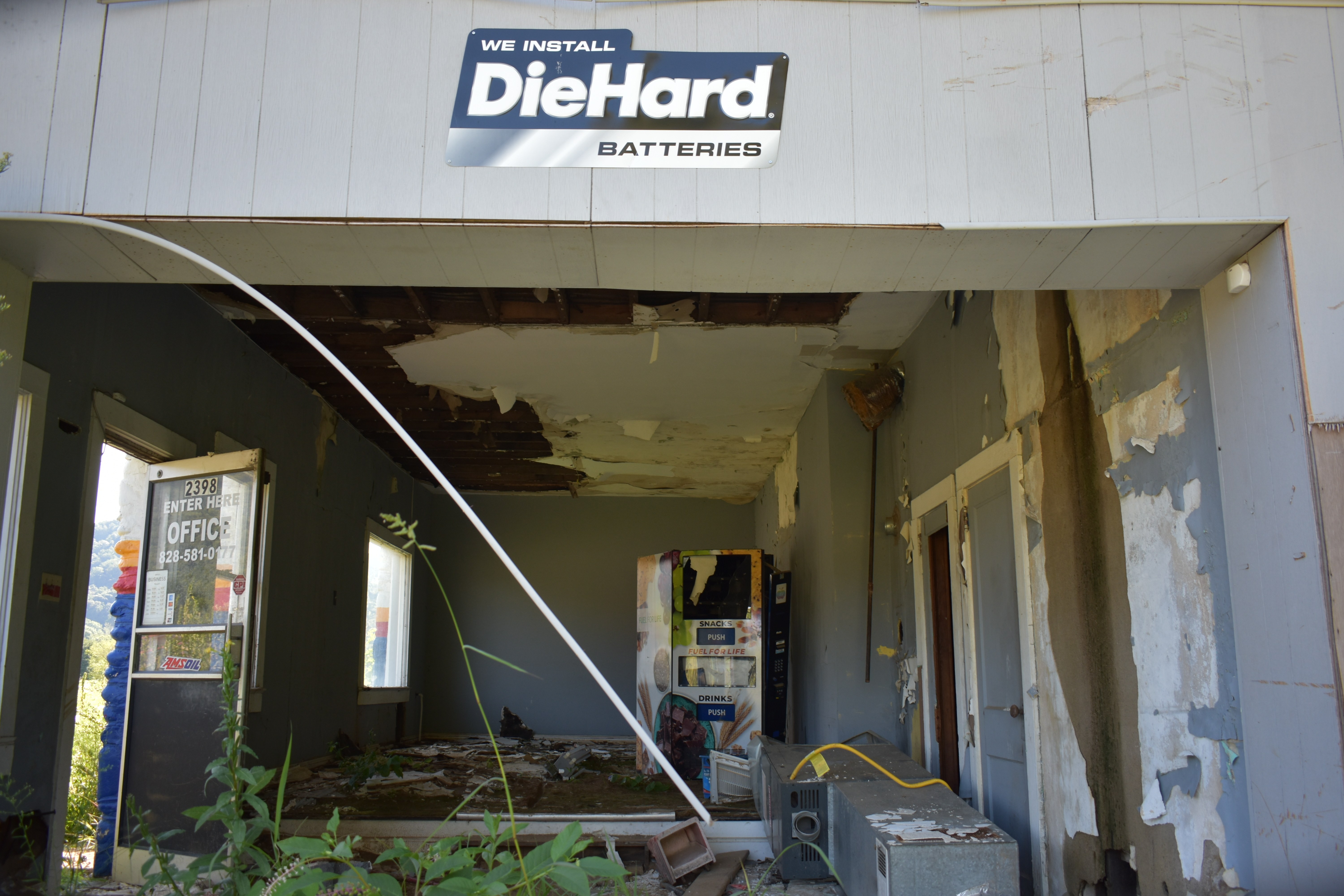
Photo: Austin Campbell/The Intercept
It takes just an hour by car to reach a different reality, where finance ministers and central bank governors representing the world’s largest economies are rolling into town for a meeting of the G20, the international economic forum whose members account for roughly 85 percent of global economic output and two-thirds of the world’s population.
They’re meeting up at the Grove Park Inn and Spa, a luxury resort overlooking Asheville and largely removed from the destruction Hurricane Helene left along the region’s rivers and valleys. Federal contracting records show the Treasury Department awarded Omni Hotels Corporation, the hotel’s owner, a $1.03 million contract to use the space. A separate Treasury planning document names Grove Park as the event’s “primary place of performance” and calls for gifts representing Western North Carolina and cultural programming highlighting the region’s “history, culture, and character.”
The city awaiting G20 delegates offers only a partial picture of recovery, said Jaime Byrd, a local resident and art gallery owner.
“They will get that beautiful experience of being at the Grove Park Inn, most likely, and maybe a couple of them might make it downtown, which looks completely normal,” Byrd said. “It’s unfortunate.”
Beyond Asheville’s tourist corridors, Helene remains written into the landscape. Debris left along rivers and roads has disappeared beneath nearly two years of vegetation, while damaged infrastructure remains. Elsewhere, recovery resembles absence: Buildings swept away by the storm have left empty ground where homes and businesses once stood.
Byrd’s gallery, located in Asheville’s River Arts District, took roughly six feet of water during Helene, destroying much of her artwork and causing at least $80,000 to $100,000 in losses, she estimates. Across town, roads near her home washed out, largely cutting off the neighborhood. Without electricity to power their wells, residents collected drinking water from an open spring on a neighbor’s property. They laid rocks and large pieces of metal across damaged roads to make them passable. Helicopters eventually arrived with “meals ready to eat” and evacuated residents who needed medical care.
“Most of this help came from self-help and community efforts,” Byrd said.
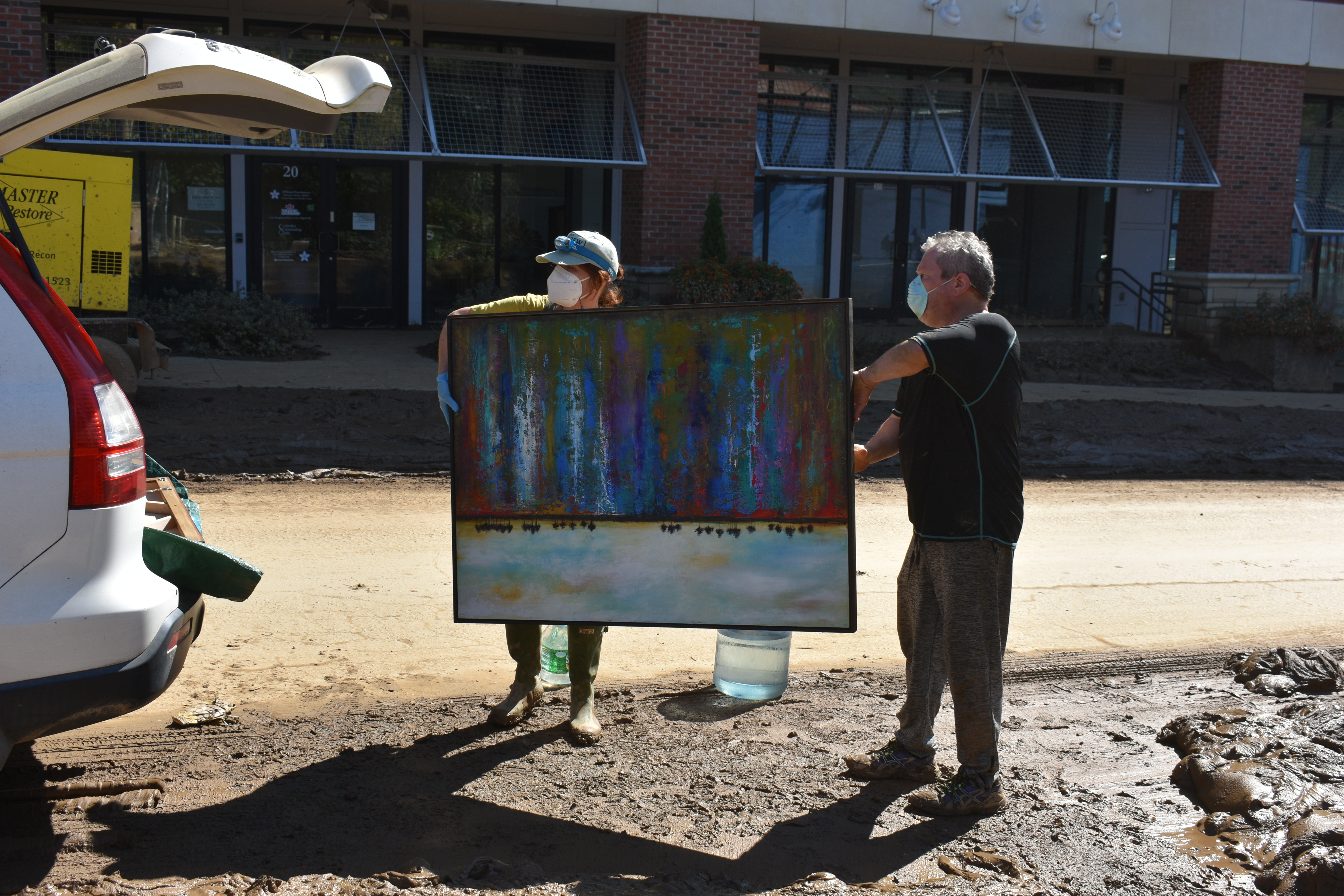
Federal assistance covered about 20 percent of the repairs needed at her home, Byrd estimates, but she received no Federal Emergency Management Agency help for her gallery. She launched a GoFundMe, spent her own money, and salvaged what artwork she could. Her collectors bought every recovered piece, which helped her keep the business alive.
Two years later, she said one of her neighbors still lives without water, while others remain in trailers.
In East Asheville, Linda Tetens said flooding and fallen trees effectively turned her neighborhood into an island, while residents cleared roads and helped one another through days without power or reliable access to food and water. Tetens relies on a CPAP machine to breathe while sleeping and said that after about 10 days without electricity, the effects of going without it forced her to leave Asheville for a motel in Greensboro.
“It was like a full-time job, trying to negotiate with FEMA.”
FEMA initially approved the hotel stay, Tetens said, but later denied her reimbursement. She spent nearly a year repeatedly submitting documents before receiving roughly $1,400.
“It was like a full-time job, trying to negotiate with FEMA,” Tetens said. “I understand why people gave up.”
Tetens points to damaged roads and residents still awaiting government buyouts as evidence of how much work remains.
“We’re not even close to being back,” she said.
Nearly two years after Helene, billions of dollars sought for North Carolina’s recovery remain outstanding. The state had received $7.8 billion in federal disaster aid as of March 31, according to state recovery data cited by the local newsroom Asheville Watchdog, compared with $25.6 billion requested after the storm. In June, Gov. Josh Stein traveled to Washington seeking more than $10 billion in additional federal funding for housing, infrastructure, and small businesses; on Thursday, FEMA announced an additional $137 million for North Carolina disaster recovery.
The fear of immigration enforcement could bring additional anxiety to a region struggling to recover, Asheville officials warned in 2025. “Our community is still recovering from Hurricane Helene,” Mayor Esther Manheimer and other local officials said at the time. “We do not need additional stress and fear.”
Asked whether those concerns extended to recent immigration enforcement in Western North Carolina, a city spokesperson told The Intercept she would not engage with questions characterizing federal immigration operations as harassment.
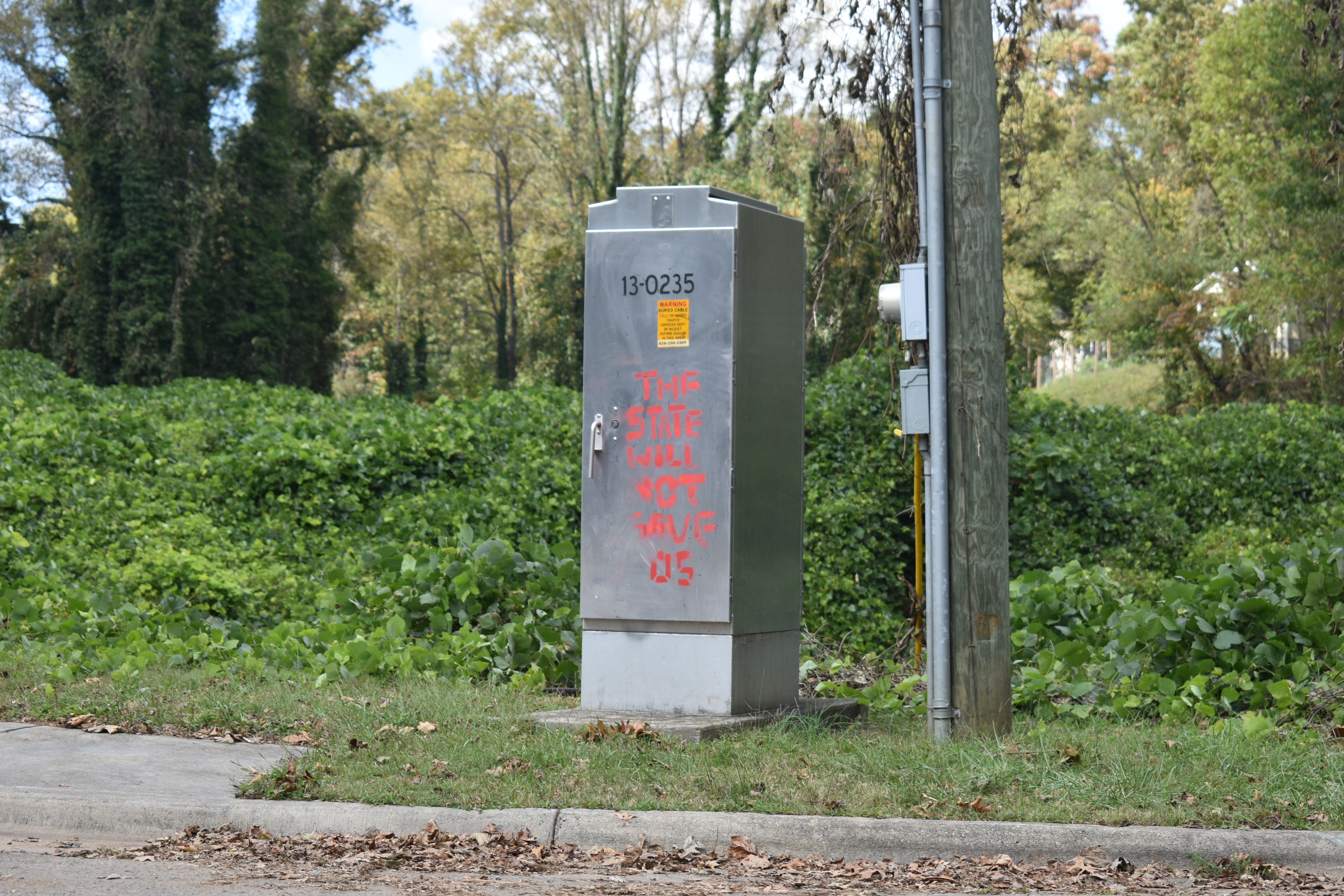
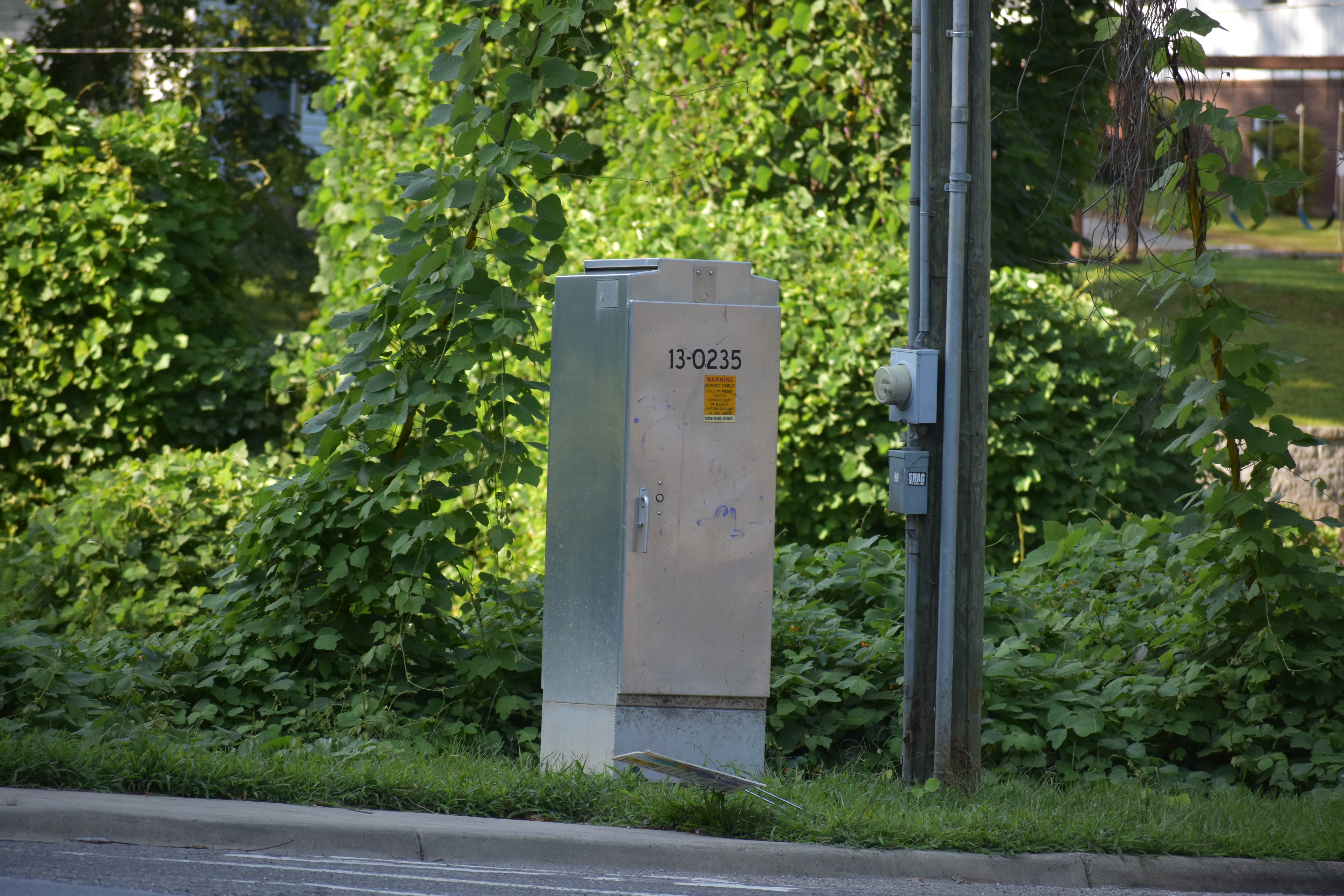
Photo: Austin Campbell/The Intercept
In response to questions from The Intercept, a Department of Homeland Security spokesperson called the response part of “the long list of FEMA failures under Biden.” (Joe Biden was in office when Helene hit in September 2024, but recovery efforts have continued into the second Trump administration.)
“Under the Trump Administration, FEMA is mission focused and dedicated to disaster response,” wrote spokesperson Micah Bock, who previously worked for former Rep. Madison Cawthorn, R-N.C.
For Ortiz, the administration’s decision to showcase Western North Carolina’s recovery to the G20 makes the contrast particularly difficult to ignore. Latino and immigrant families, she said, were among the people who helped the region recover, but their right to belong should not depend on what they contributed after the storm.
“Our community shouldn’t have to say, ‘Look at everything we did after Helene, therefore we deserve to be here,’” Ortiz said. “We deserve to live here, raise our families here, enjoy our public lands, and move through our communities without persecution regardless of whether we drove a relief truck after a hurricane.”
Correction: August 29, 2026, 12:38 p.m. ET
This story has been updated to correct a misspelling of Jaime Byrd’s first name inserted due to an editing error.
