The small punched letters on key components of the Colt Single Action Army signal that they served in the U.S. Army in the second half of the 19th century but they also stand as silent witnesses to history.
The guns, marked by the sub-inspectors who checked their fit and assembly at the Colt plant, fought Native Americans on the plains of the West, were lost on the battlefield of the Little Bighorn, charged up San Juan Hill and fought Moro tribesmen in the Philippines.
Between 1873 and 1891, the Colt Single Action Army served as the sidearm of the U.S. Army and they went through strict inspections before being issued. The sub-inspectors – Orville Wood Ainsworth, John T. Cleveland, Henry Nettleton and Rinaldo A. Carr, among others — did the day-to-day duties of inspecting, and their work was monitored and approved by an inspector working above them. Guns were to be turned over to the inspectors with unfinished stocks and unpolished barrels and cylinders. Frames were to be casehardened and stamped U.S.
Little is known about the inspectors, and their names are but lost to history except in fine and antique firearms circles. They worked alongside the men who made the guns in Hartford, Conn., some for a short time, others for several years. We can follow the fascinating stories of these guns through their markings and Ordnance Department records, knowing some experienced the hard life of a soldier on the plains while others led a sheltered life in a warehouse for many years, making them so extremely collectible today.
The First Colt Single Action Army Sub-Inspector
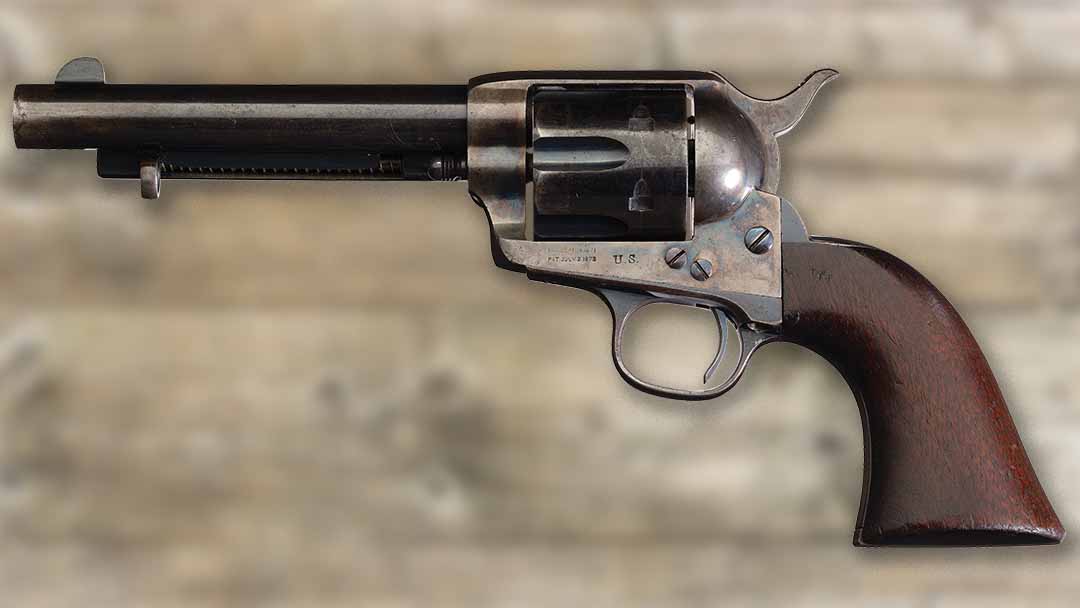
Ainsworth and his “OWA” cartouche might be the most impactful sub-inspector of the U.S.-issued Colt Single Action Army. The revolvers he inspected are serial numbered up to 14998. He served at the Colt plant from October 1873 to November 1874. He died in 1875, a short time after leaving his position.
The Colt Single Action Army isn’t the only type of gun bearing Ainsworth’s inspector mark. He also inspected Colt Model 1860 Army and Remington New Model Army revolvers during the Civil War as well as Colt revolvers that were converted from firing percussion rounds to metallic cartridges.
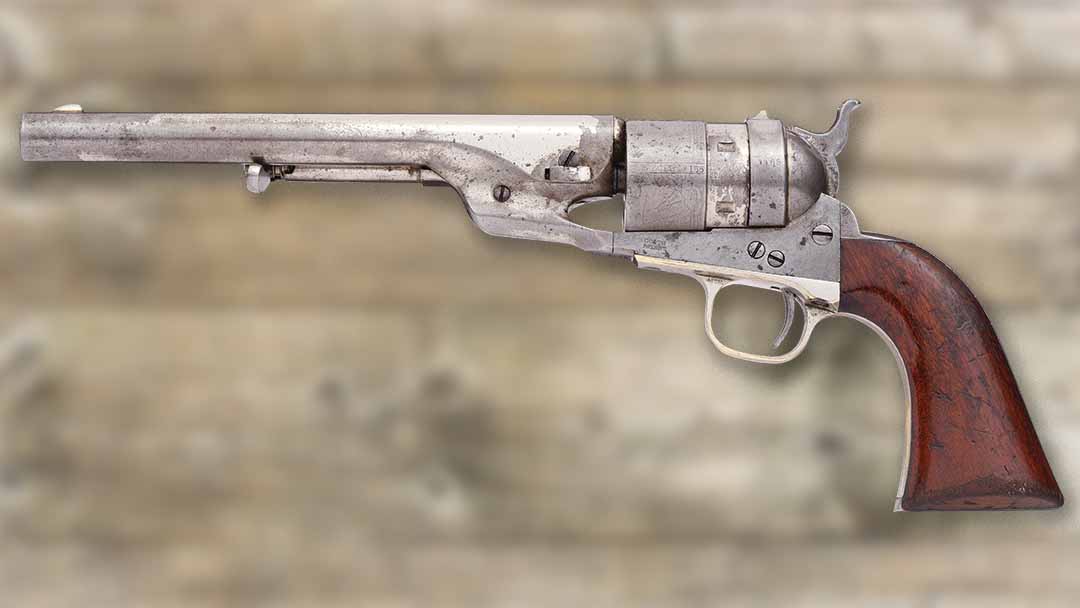
Guns inspected by Ainsworth are among the first issued to cavalry units on the Great Plains, including George Armstrong Custer and the 7th Cavalry. The 7th Cavalry led the Black Hills expedition that led to a gold rush in 1874, Custer and his companies were infamously wiped out at the Battle of the Little Bighorn in June 1876.
The 921 SAA revolvers issued to the 7th Cavalry fell into either Lot Five or Lot Six that were shipped to Rock Island Arsenal.
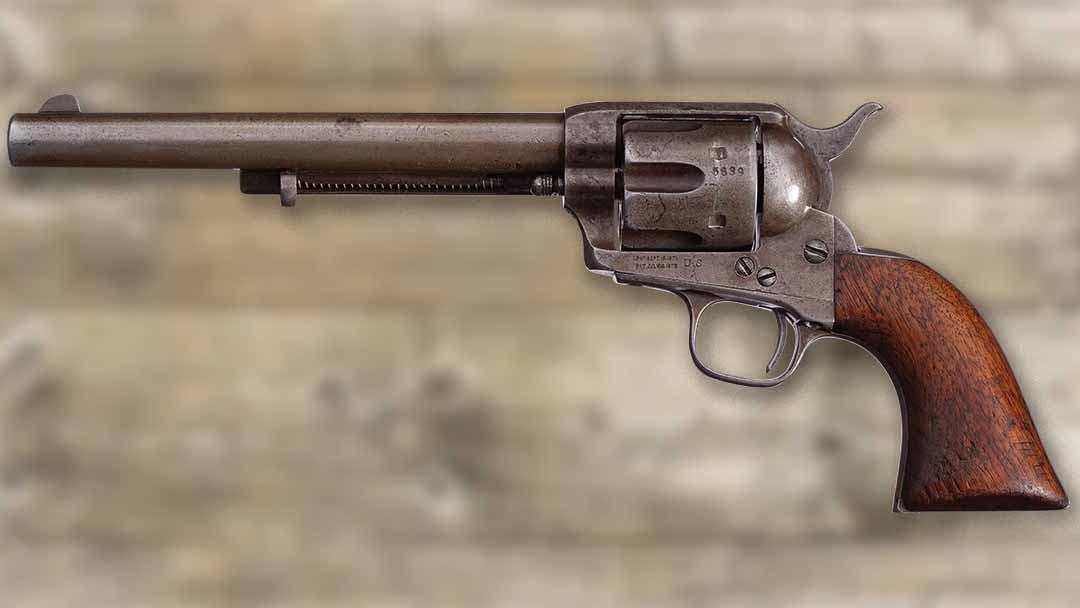
Guns inspected by Ainsworth were issued to soldiers of the 100th Meridian survey expedition that established the western border of the Cherokee Nation and Texas as well as to the 10th Cavalry, a unit of African American Buffalo Soldiers.
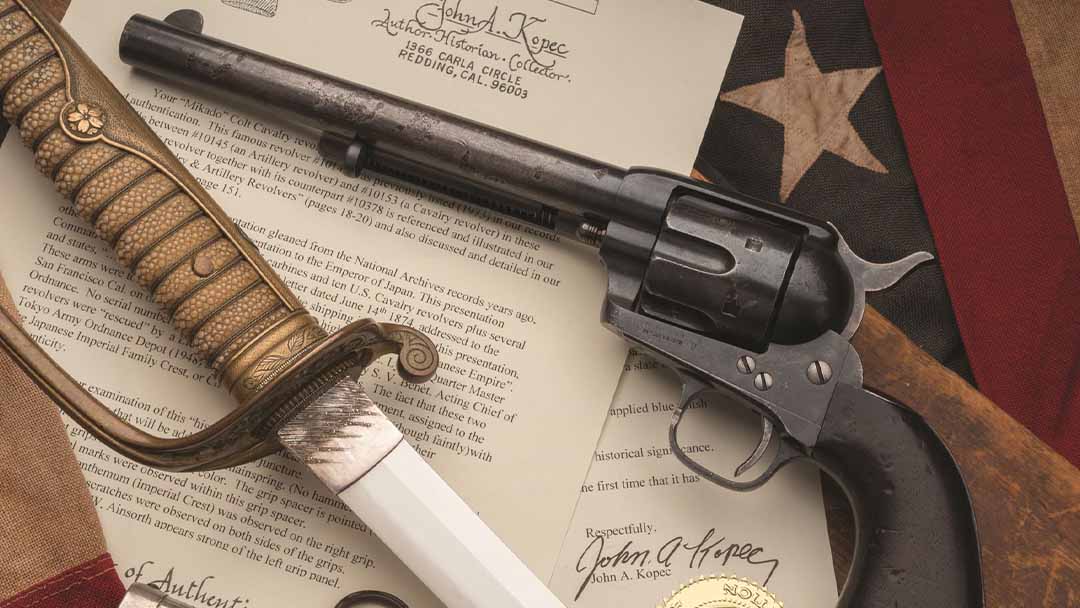
Ainsworth’s marks are also on the 10 Colt Single Action Army revolvers that were part of a gift of arms from the U.S. Ordnance Department to the Emperor of Japan. Two of those guns, known as the “Mikado Colts” and marked with the imperial chrysanthemum, returned to the United States after World War 2 after a lieutenant claimed them after they were turned in as part of the disarming of Japan.
Next to Inspect the Colt Single Action Army
There was a period after Ainsworth’s departure where an unidentified sub-inspector, only known by a single initial “J” on guns. He was followed by Samuel B. Lewis, then by A.P. Casey who’s “C” is on the majority of 1875-made SAA revolvers.
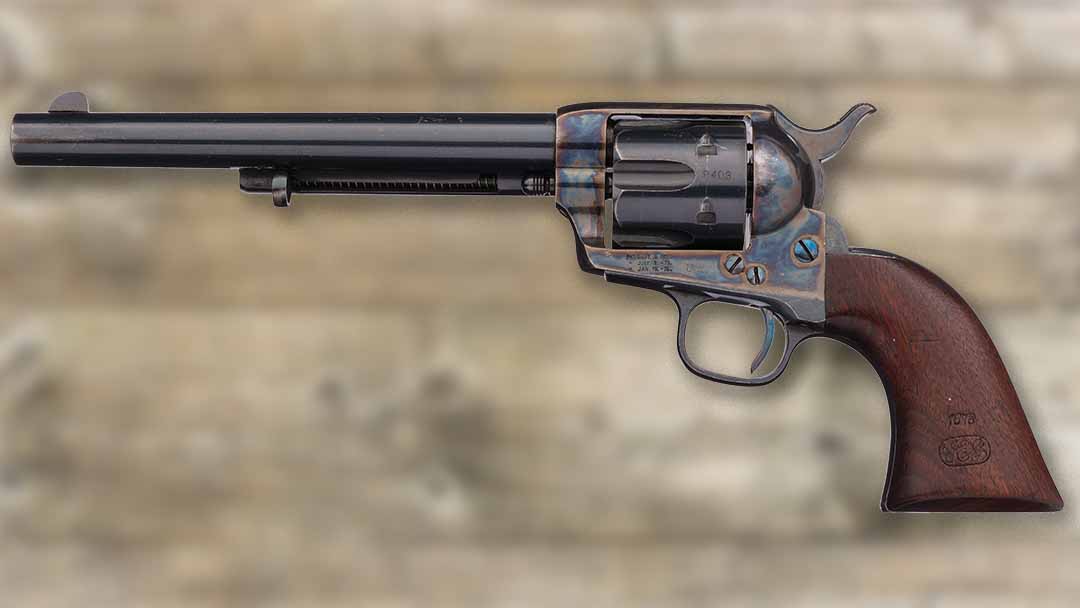
John T. Cleveland took over as sub-inspector on an 1876 contract for 2,000 revolvers. He is recorded as having inspected about 5,000 revolvers. Under Cleveland, many revolvers failed the barrel-to-cylinder alignment inspection, often attributed to mismatched parts to speed up inspections. Guns that failed received a “C” for condemnation. More than 1,200 inspected barrels were marked as condemned in 1876-1877, though they still found their way to civilian production. Very few Cleveland-inspected SAAs are known.
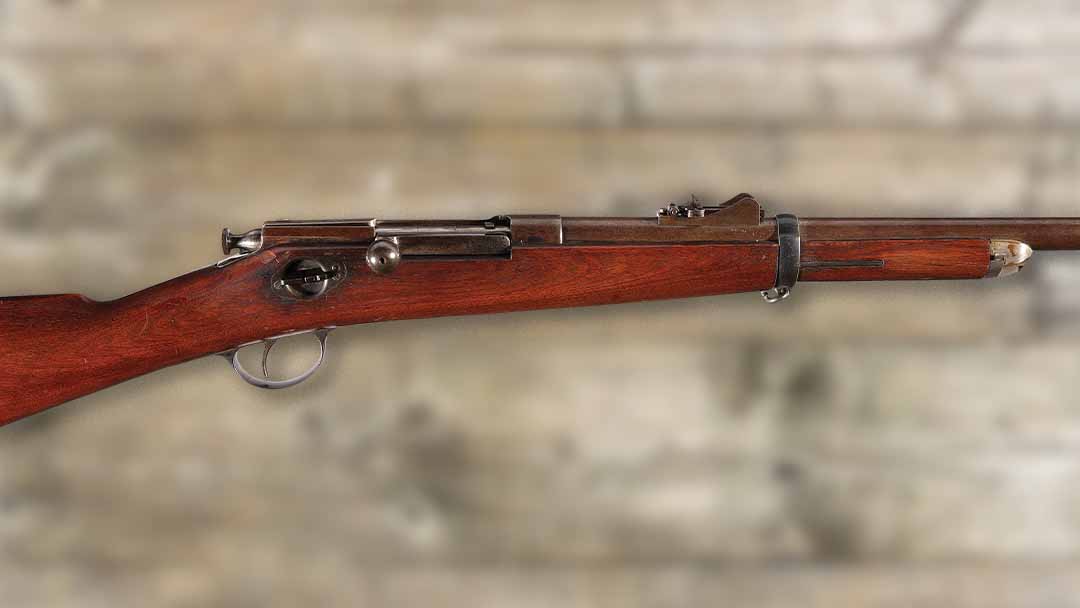
Sub-inspector Henry Nettleton was next to the Colt factory floor, inspecting about 3,000 revolvers that were part of a short contract manufacturing run. E.C. Wheeler who worked alongside Nettleton filled in for him during an illness so a small number of SAA revolvers bear his small “W” mark. Nettleton, who also inspected Lee & Hotchkiss rifles as well as guns from Smith & Wesson and Remington, is the only sub-inspector to stamp the hammers during U.S. Single Action Army production.
Who Inspected the Most Colt Single Action Army Revolvers?
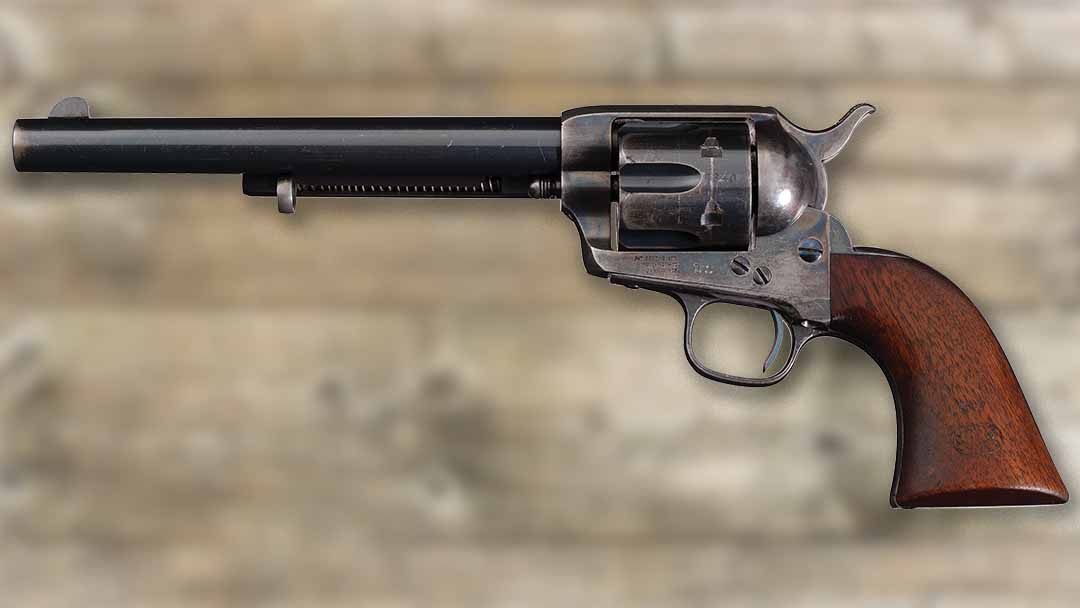
David F. Clark, who served as sub-inspector for Colt Single Action Army revolvers from 1880 to 1887, reviewed the largest allotment of the legendary gun, about 13,000 of the 37,063 martial SAAs. Some of the guns inspected by Clark were manufactured before his tenure, even pre-dating Nettleton. These were surplus civilian revolvers, according to Kopec, Ron Graham and C. Kenneth Moore in their book, “A Study of the Colt Single Action Army Revolver.”
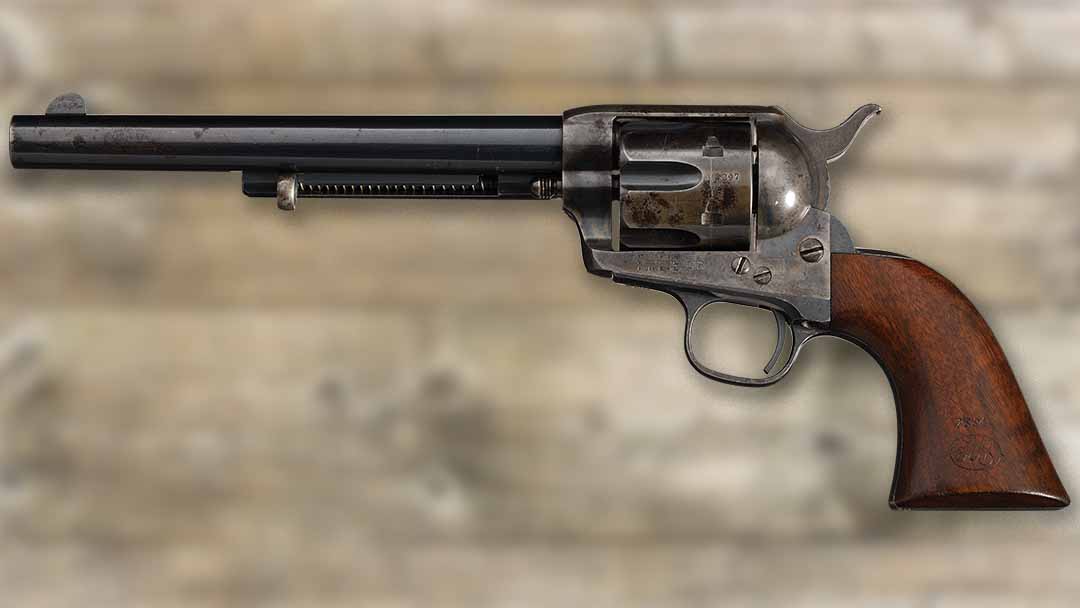
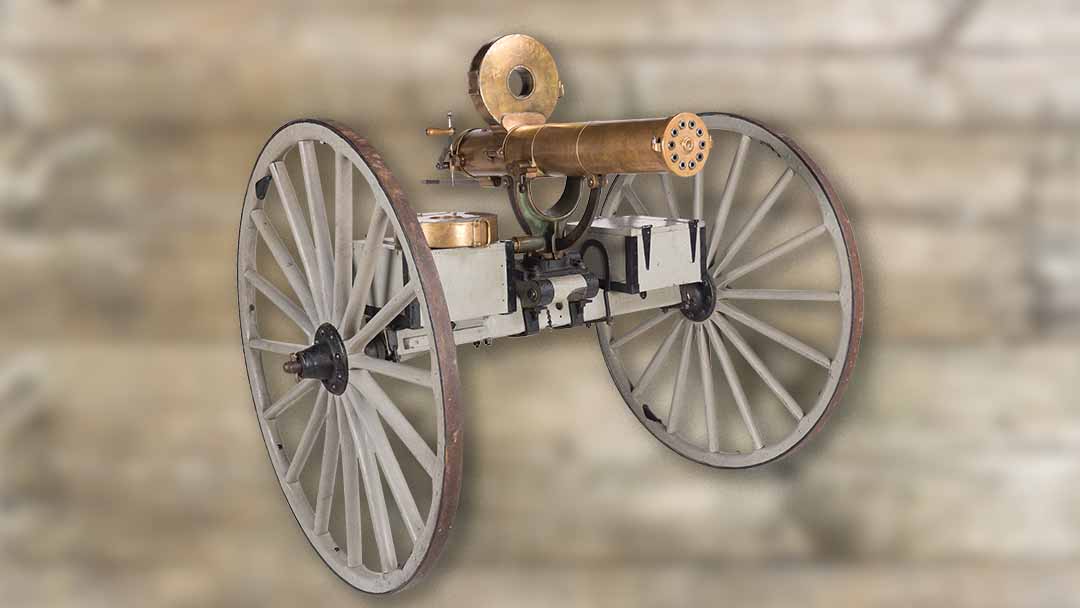
Clark, who also inspected swords during the Civil War and later Gatling Guns, served as the principal sub-inspector for several inspectors. Those inspectors’ cartouches like Charles C. Morrison’s “CCM,” John E. Greer’s “JEG” and Frank A. Heath’s “FAH” can also be seen on the guns.
Who Inspected the Refurbished Colt Single Action Army Revolvers?
The last two U.S. Army contracts for the Colt Single Action Army were in 1889 and 1890 for 2,000 revolvers each. Principal Sub-inspector Rinaldo A. Carr oversaw the entire allotment of guns. The Single Army revolver was tested for barrels shorter than 7 1/2 inches in 1874 but nothing was acted on until 1895 when the decision was made to shorten the barrels to 5 1/2 inches.
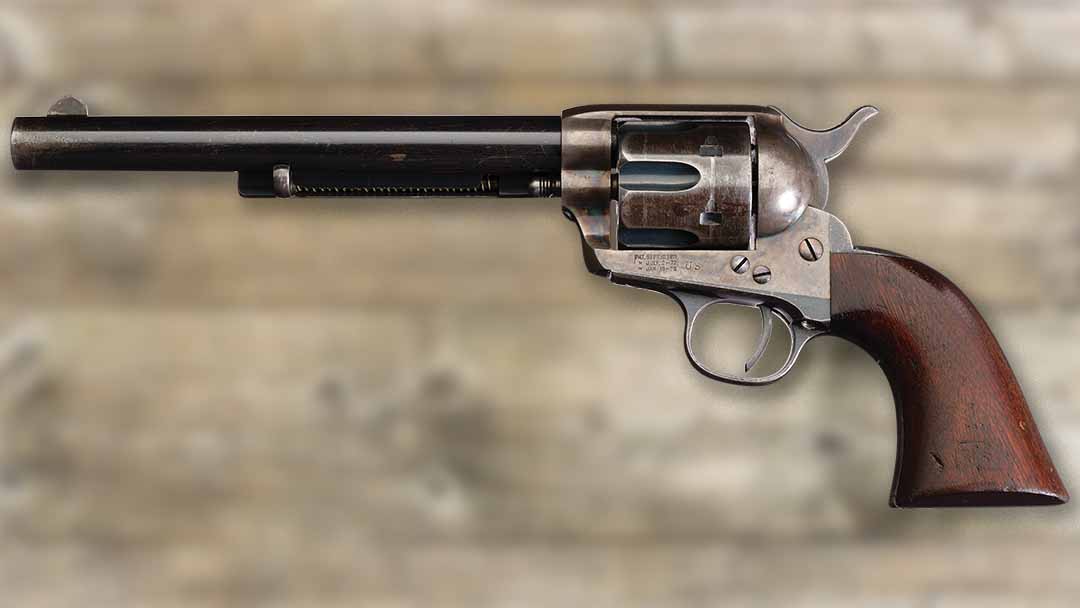
Refurbishing the guns ended up with guns having mixed serial number for various parts and is commonly encountered by collectors. While Carr was the sub-inspector at the time of refurbishment, other inspector’s marks can be found on guns with mismatched parts.
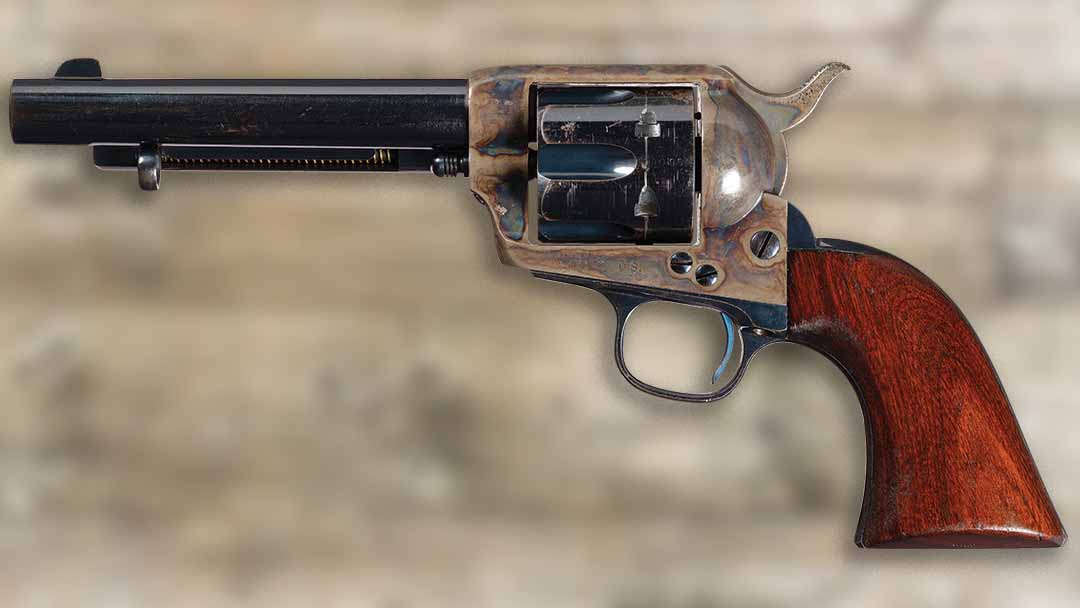
U.S.-Inspected Colt Single Action Army Revolvers for Sale
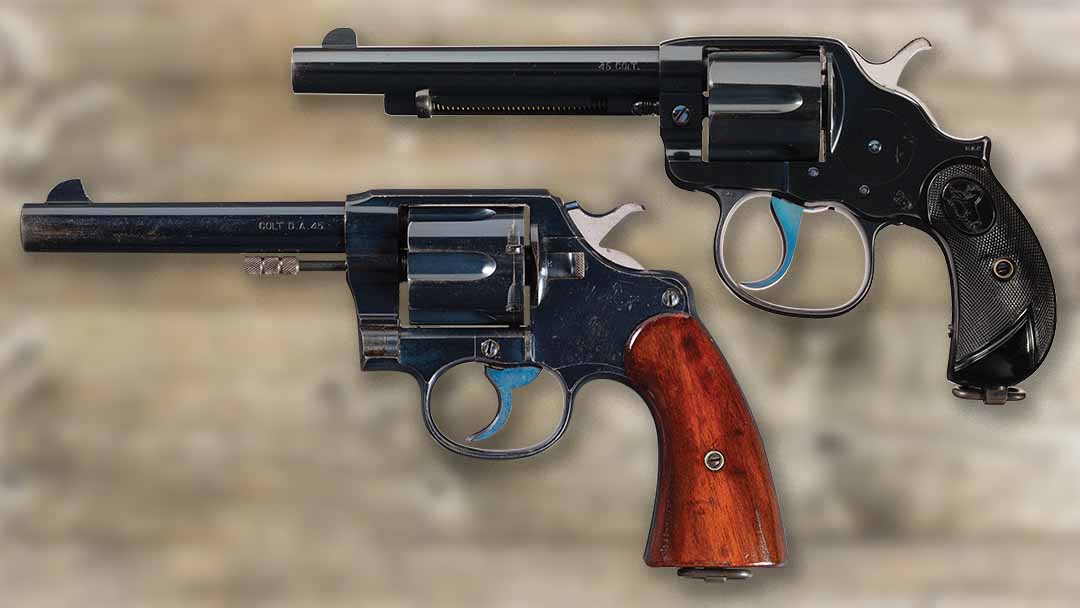
Martial Colt Single Action Army revolvers with their sub-inspector markings is just another engrossing genre of collecting these iconic and legendary guns that helped tame the West, and the May 2-4 Premier Auction has several outstanding, and historical examples to round out any collection.
Sources:
“A Study of the Colt Single Action Army Revolver,” by Ron Graham, John A. Kopec and C. Kenneth Moore
“Colt Cavalry & Artillery Revolvers… A Continuing Study,” by John A. Kopec and H. Sterling Fenn