The Colt Single Action Army became an icon, but the Smith & Wesson Model 3 was just as influential in the American West and abroad. In ‘Gunsmoke and Saddle Leather,’ arms historian Chuck Worman noted that “As the first large-caliber revolver made in this country originally for metallic cartridges, the American [S&W Model 3] represented a major step beyond conversions of percussion arms.”
The Smith & Wesson Model 3 saw numerous variants and incarnations, and Rock Island Auction Company’s February 21-23 Sporting & Collector Auction in Bedford, Texas features some of the most desirable examples of the genre from every corner of its developmental history.
The First Smith & Wesson Revolvers
In 1852, Horace Smith and Daniel B. Wesson helped develop the successors of the Smith-Jennings repeating rifle. The resulting Smith & Wesson lever action pistol and later Volcanic iterations of the design set the stage for the Winchester family to follow.
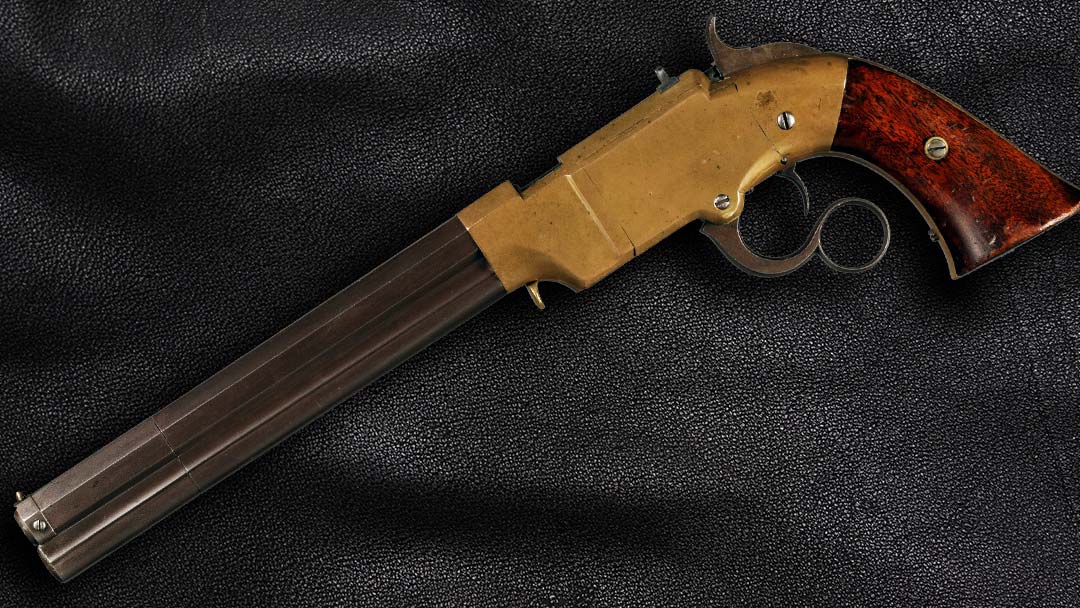
After the first iteration of their company dissolved, Daniel Wesson and Horace Smith would try again in 1856 with the “Smith & Wesson Revolver Company,” where the duo turned their attention to developing cartridge revolvers with bored-through, rear-loading cylinders and a reliable round to compliment the design.
After signing an agreement with Rollin White for exclusive rights to his bored-through cylinder patent, Smith & Wesson would release the No. 1 First Issue First Type model in 1857, a single action tip-up revolver chambered in Daniel Wesson’s .22 Short. This represented the world’s first widely produced, fully self-contained cartridge wheel gun, and its patents allowed Smith & Wesson to corner the cartridge revolver market for the next 15 years.
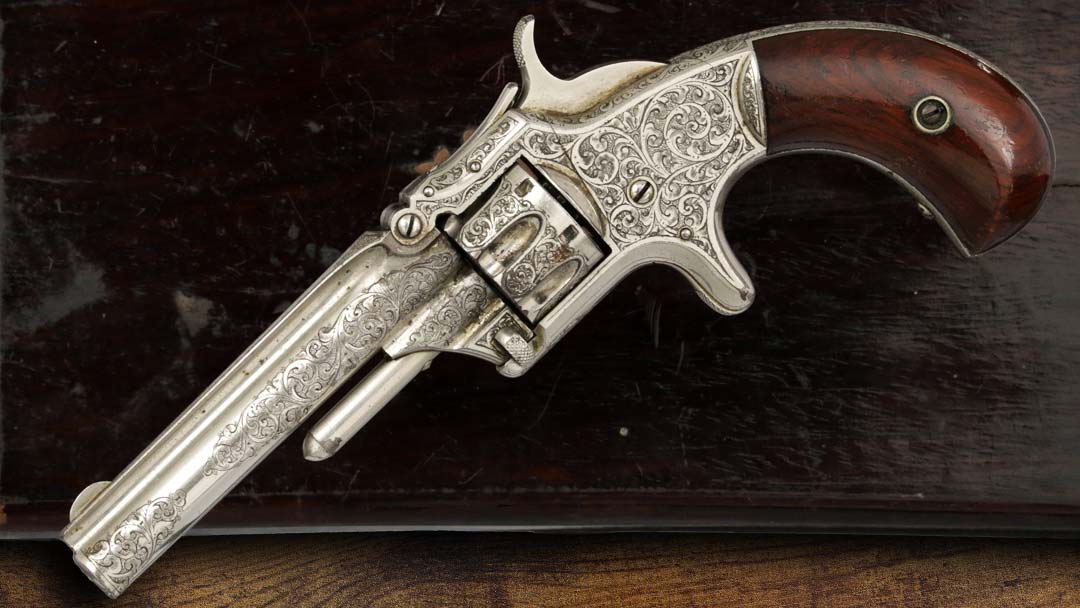
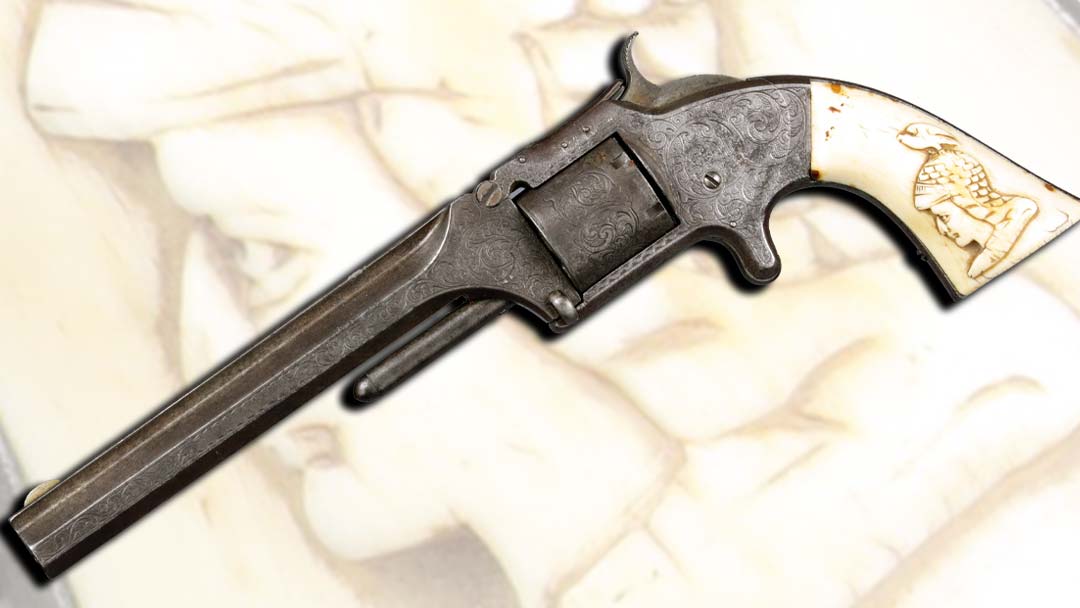
1861 saw the release of the Smith & Wesson Model No. 2 revolver, arriving on the scene only two months after the Civil War had erupted. Often dubbed the “Model Number Two Army” or “Model Number Two Old Army,” the revolver proved popular in an era where soldiers were scrambling to purchase reliable sidearms. The U.S. Army was skeptical of the revolver’s modest .32 rimfire chambering, and after the war Smith & Wesson sought to develop a more powerful model that could attract lucrative government contracts.
The Smith & Wesson Model 3
In 1869, the large-framed, top break loading Smith & Wesson Model 3 would offer a significant firepower upgrade over its predecessors. Also known as the “No. 3 Model,” the U.S. Army Small Arms Board would test one of these new revolvers in June 1870, an early variant chambered for the .44 Henry cartridge.
According to the report, “The Smith & Wesson is decidedly superior to any other revolver submitted. It should be modified as follows, viz: Made center fire; the cylinder lengthened so as to close the space in front of the breech-block, and counter-sunk to cover the rim of the cartridge, caliber increased to standard.”
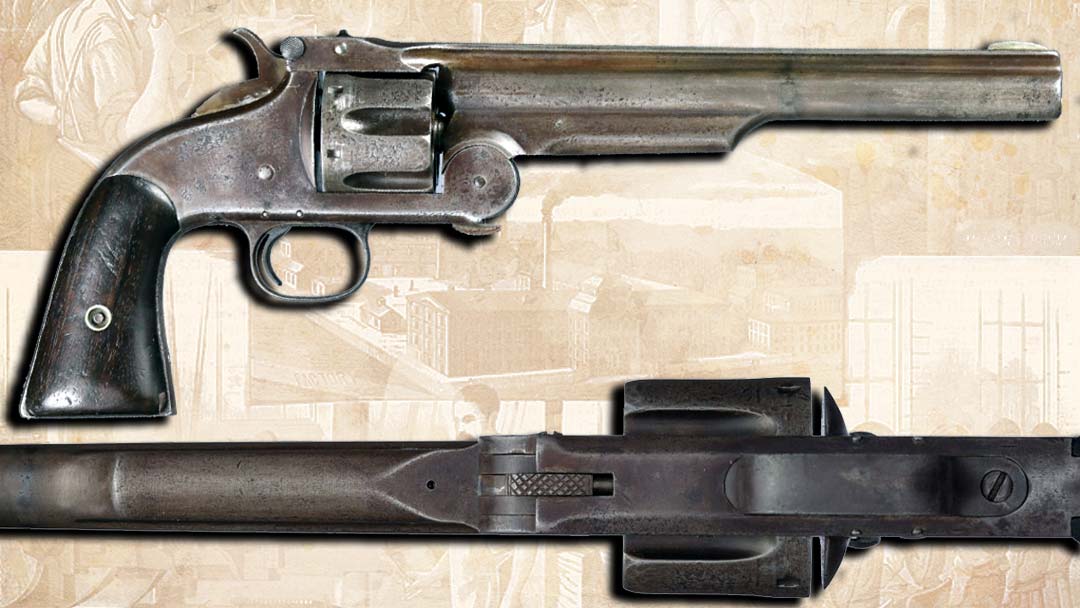
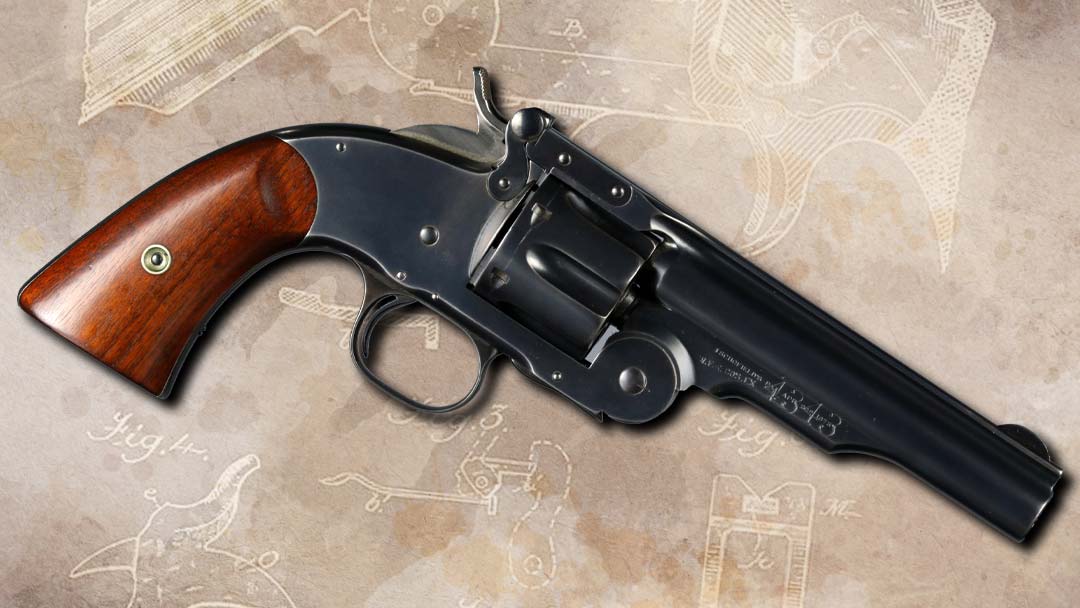
In the 1860s, inventors like Hiram Berdan and Stephen Vincent Benét had introduced reliable centerfire cartridge primers, paving the way for Smith & Wesson to develop their .44/100 Smith & Wesson Centerfire round in response to the Small Arms Board’s suggestion. The Ordnance Department ordered 1,000 of these improved Smith & Wesson Model 3 revolvers in late 1870, the first cartridge revolvers adopted by the American military.
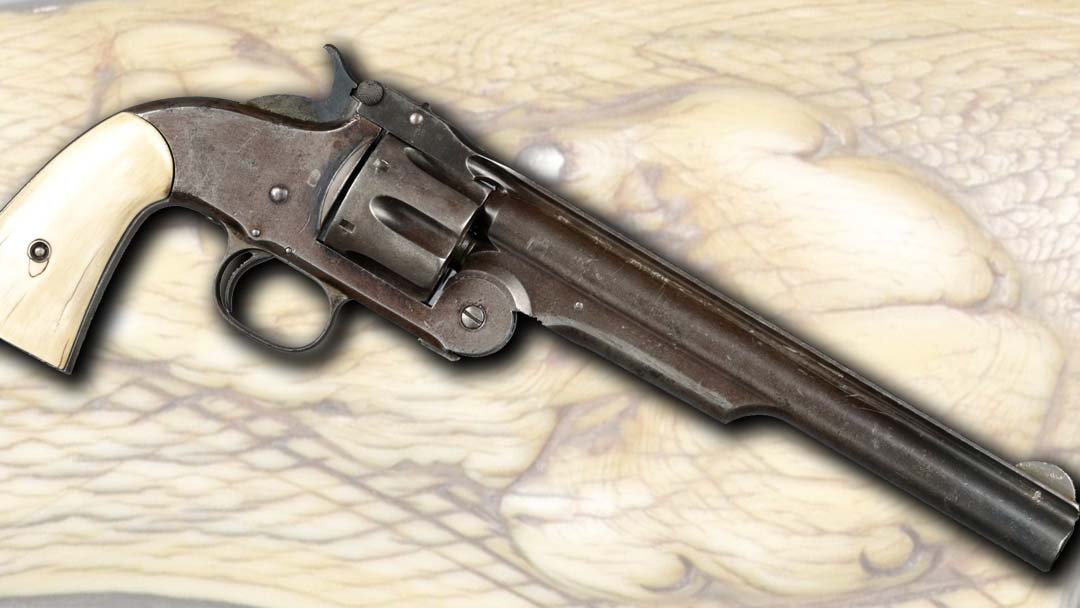
This first and only American military shipment was sent on March 16, 1871 and delivered to the U.S. National Armory, Springfield, MA. 800 revolvers were finished in blue, like the example pictured above, with the remaining 200 finished in nickel. The barrels were 8 inches, a length typical for the model’s first iteration, though examples with 6 and 7 inch barrel lengths would later become available.
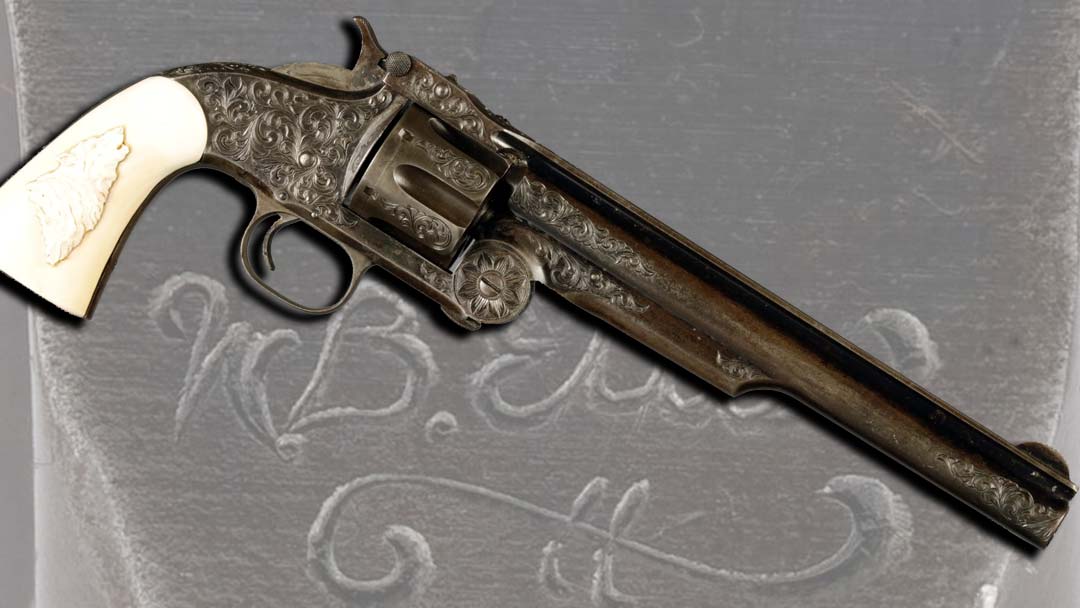
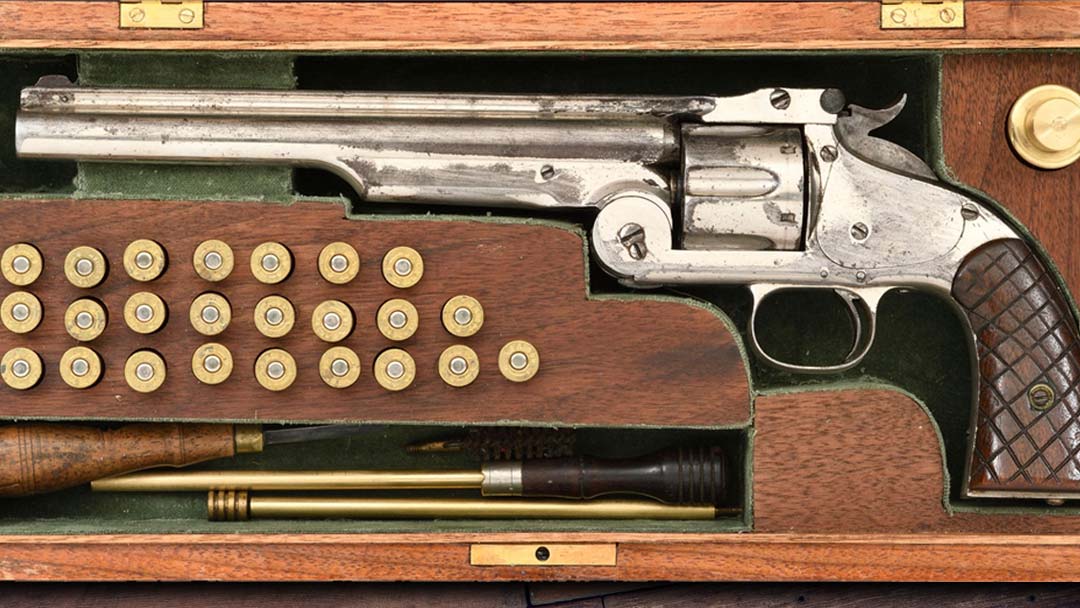
Early examples of the Smith & Wesson Model 3 are particularly desirable, like serial number 1409 pictured below. Exhibiting a rare “oil hole” or vent hole on the rear of the extractor housing on the bottom of the barrel lug, this feature is estimated to only appear on the first 1,500 Model 3 revolvers. Intended as an air vent, this feature was determined to be unnecessary and removed from all future iterations of the S&W Model 3.
The Smith & Wesson Model 3 Russian
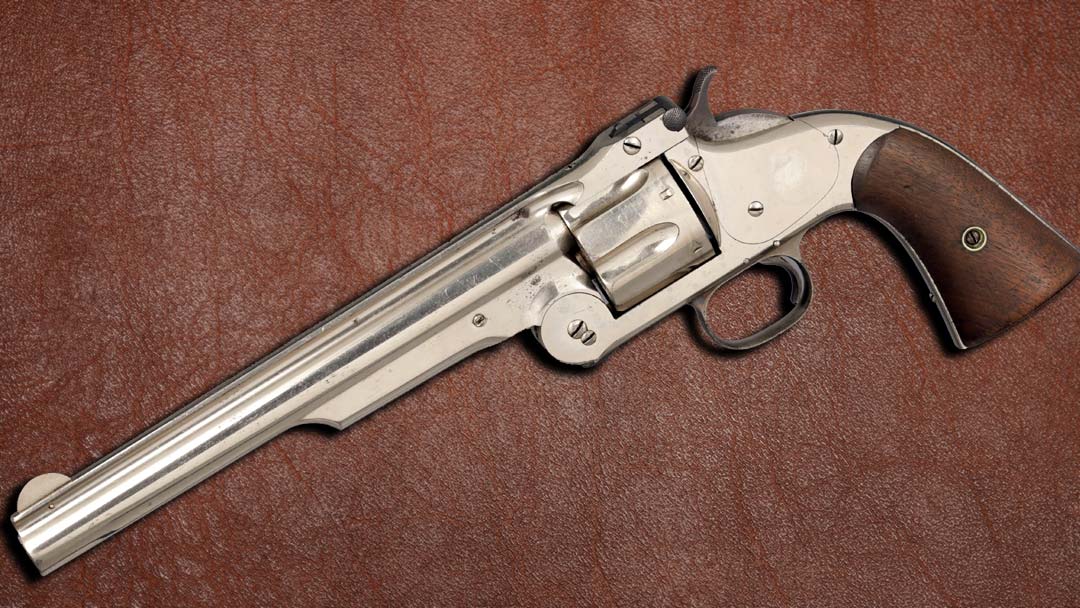
Smith & Wesson presented a Model 3 revolver to General Alexander Gorloff, the military attaché assigned to the Russian embassy in Washington D.C. He expressed immediate interest, and by May 1871 the Imperial Russian Army approached Smith & Wesson with a major contract offer.
Some changes to both the cartridge and the gun were requested. The “First Model Russian” revolver was modified to chamber the stronger .44 Smith & Wesson Russian round. This was the first widely produced bullet to use internal lubrication. The original .44 Smith & Wesson cartridge was renamed “American” in 1872 to distinguish itself from its Russian sibling.
As manufacturing continued, Captain Kasavery Ordinetz, a Russian ordnance officer overseeing production at the Smith & Wesson factory, asked for modifications designed to help control the revolver’s recoil. These changes included an enlarged, rounded grip, a knuckle added to the top of the grip strap, and a spurred trigger guard. The barrel was shortened to seven inches. The “Model No. 3 Russian, Second Model,” or “Old Model Russian” was born in 1873.
As historian Roy G. Jinks observed, “The Russian Model completely changed the Smith & Wesson position in the world, for it established the factory as a world-famous arms manufacturer, helped the company to establish financial stability, and also precipitated orders from other nations.”
The Smith & Wesson Model 3 Russian gained a foothold in the civilian market as well, particularly in America and Mexico. The .44 S&W Russian cartridge became a popular option for target shooters. As Roy Jinks noted, other nations purchased large quantities of the Model 3 revolver, including Turkey and Japan.
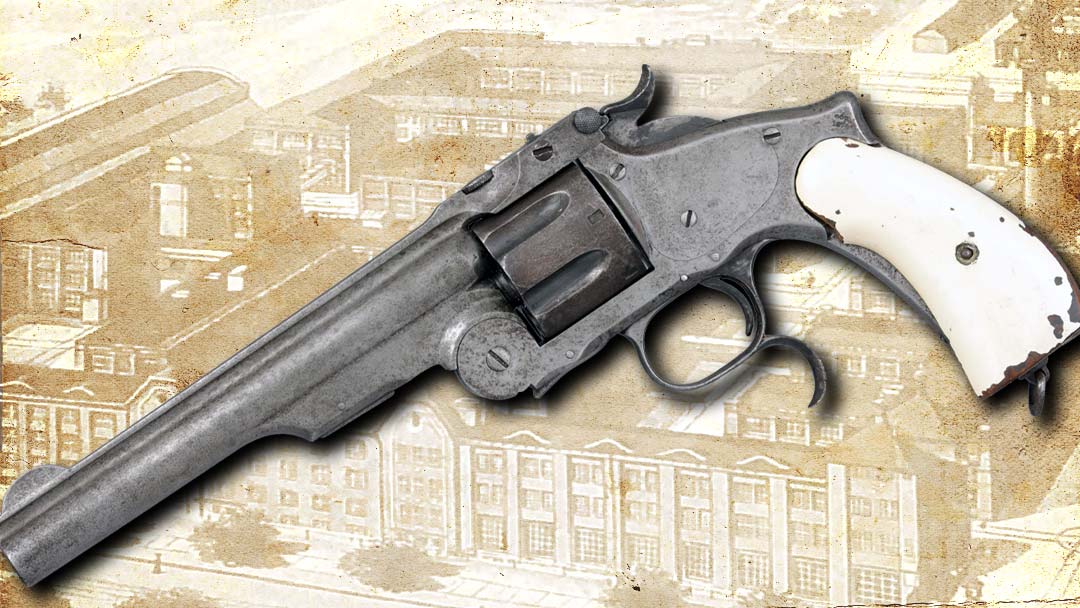
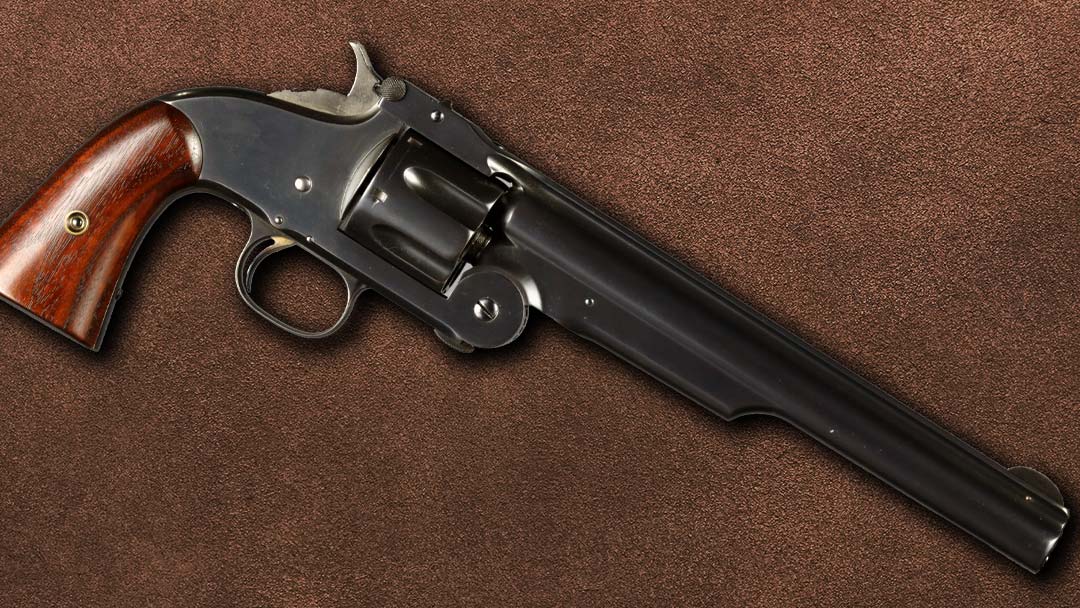
According to Roy Jinks and Robert Neal, Berlin manufacturer Ludwig Loewe produced exact copies of the S&W Model 3 Russian revolver. These revolvers, like the example pictured below, were purchased by both sides the of Russo-Turkish War fought from 1877 through 1878.
Smith & Wesson continued to refine the Russian Model, including adding a locking hammer, a firing pin bushing, and an integral blade front sight. This Third Model has become known as the “Model 1874,” the “Cavalry Model,” and “New Model Russian.” From 1871 to 1878, Russia purchased a total of 131,000 S&W Model 3 revolvers across all variants.
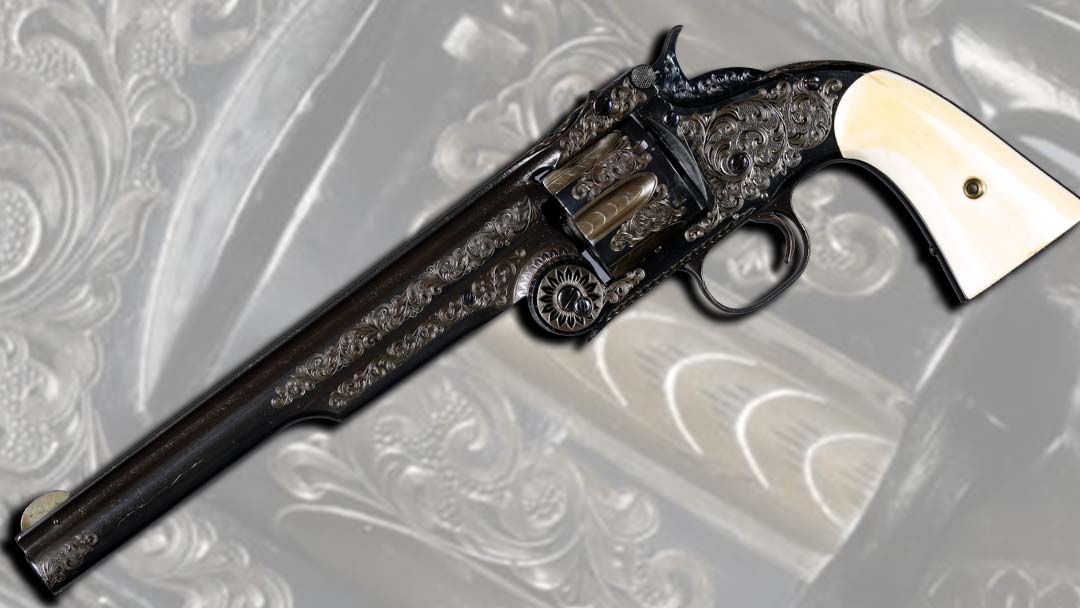
Some of the improvements in the Russian Models were also included in subsequent updates of the American design of the revolver, which was officially rebranded in 1874 as the Smith & Wesson Model 3 American.
The Smith & Wesson Model 3 American
The S&W Model 3 was employed by the U.S. Army throughout the Indian Wars and reportedly issued to the 2nd, 3rd, 4th, 5th, 6th, and 7th Cavalry. Medal of Honor Winner Captain Louis Henry Carpenter carried a Model 3 American revolver during this period when he led the Buffalo Soldiers of the 10th Cavalry.
Some soldiers, like Captain Myles Keogh of the 7th Cavalry, found the revolver too complicated and in constant need of repair. Another captain from the same regiment, Robert H. Young, wrote to Smith & Wesson praising the pistol but observing that “on the saddle the barrel is a little long, for the belt holster when a person is mounted punches against the horse’s back and saddle.”
Other soldiers, frontiersmen, and desperados had more positive impressions of the Smith & Wesson Model 3 American. Major Frank North once killed 11 buffalo with a pair of the famed model. John Wesley Hardin used a nickel-plated Model 3 American chambered in .44 Russian to gun down Deputy Sheriff Charlie Webb.
Sumner J. Beach, a young desperado from the cattle town of Ellsworth, Kansas, wrote to Daniel B. Wesson on several occasions in 1874 about the model, boasting, “I can kill a man at 100 yards with my revolver every time” and describing to Wesson how his idol, cattle thief and buffalo hunter Hurricane Bill Martin “kills annually from 25 to 30 Indians” with the S&W Model 3 American. Beach wrote that “No buffalo hunter’s outfit is considered complete until he has a Sharps rifle and two Smith & Wessons.”
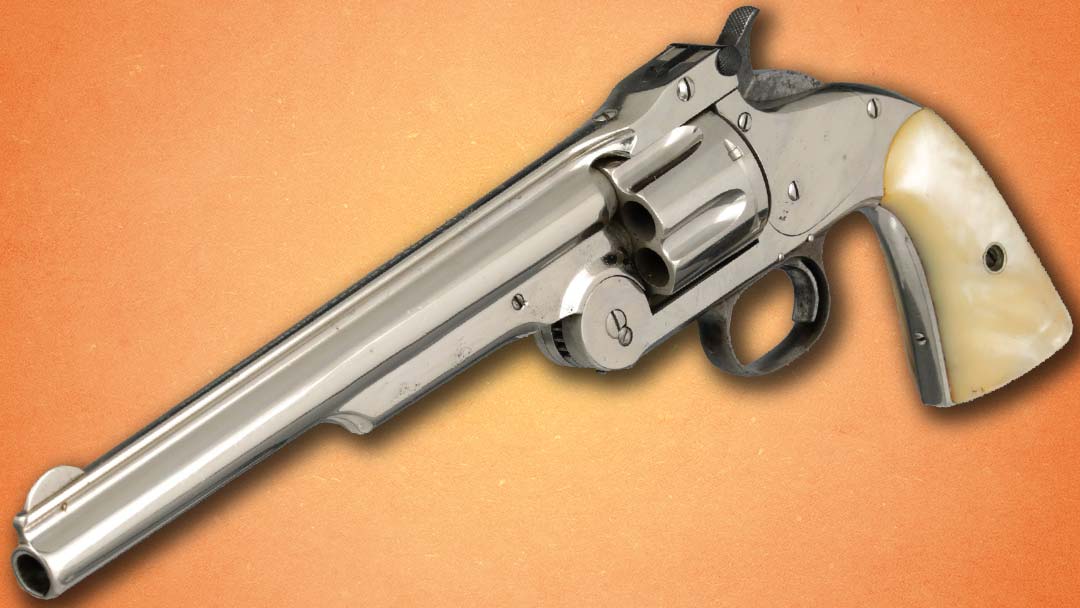
The Smith & Wesson Model 3 retailed for around $18 in the first few years of its availability, with military and bulk contracts reducing that price tag to less than $14. This would have been more than the established Colt black powder revolver models on the market, and comparable to the price of the Colt Single Action Army that would become widely available in 1874.
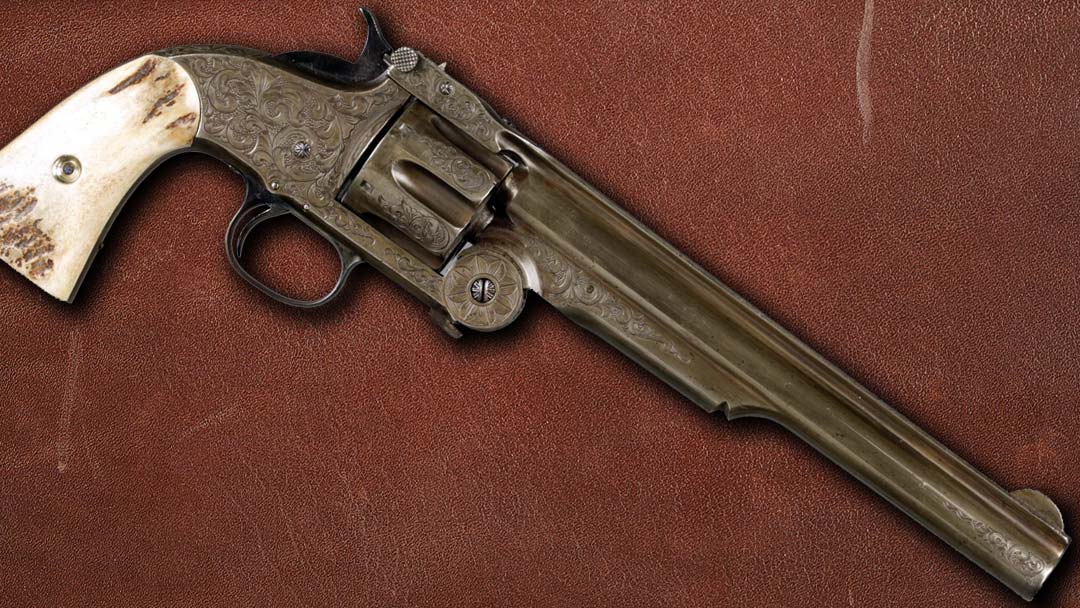
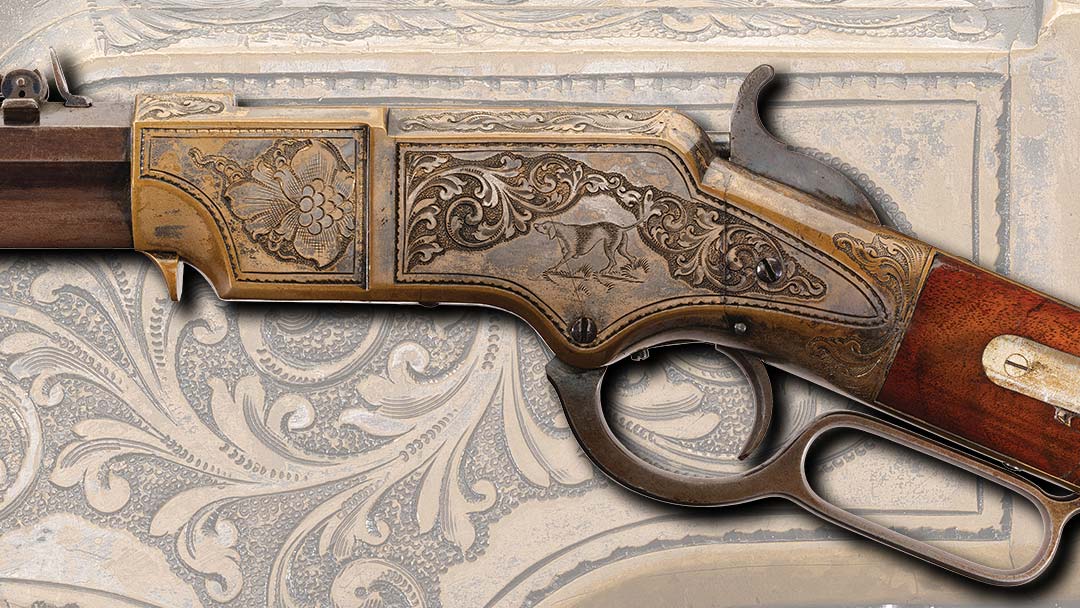
The Smith & Wesson Model 3 American was primarily chambered in .44 S&W American and .44 S&W Russian, but several other chamberings were available, including .44 Henry. Around 2,500 revolvers were chambered in the .44 Henry rimfire cartridge to accommodate those who owned Henry and Winchester 1866 rifles. These revolvers became particularly popular in Mexico.
In a letter to San Francisco gun dealer A.J. Plate, one Colorado resident wrote to inquire about a Smith & Wesson Model 3 American “that will use a .44 Rim Fire Winchester Cartridge. As I use a Rim Fire Winchester Rifle, I would like to have one of your .44 pistols that would fire the same cartridge, as carrying two sizes of or kinds of cartridges in this Indian country is a nonsense.”
The Smith & Wesson Model 3 vs the Colt Single Action Army
By the time the Rollin White patent expired in 1869, Smith & Wesson had strongly positioned themselves as the leader in the domestic market for metallic cartridge revolvers. Rollin White’s efforts to renew his patent were rejected, and the early 1870s saw an explosion of competing designs, with Colt leading the charge.
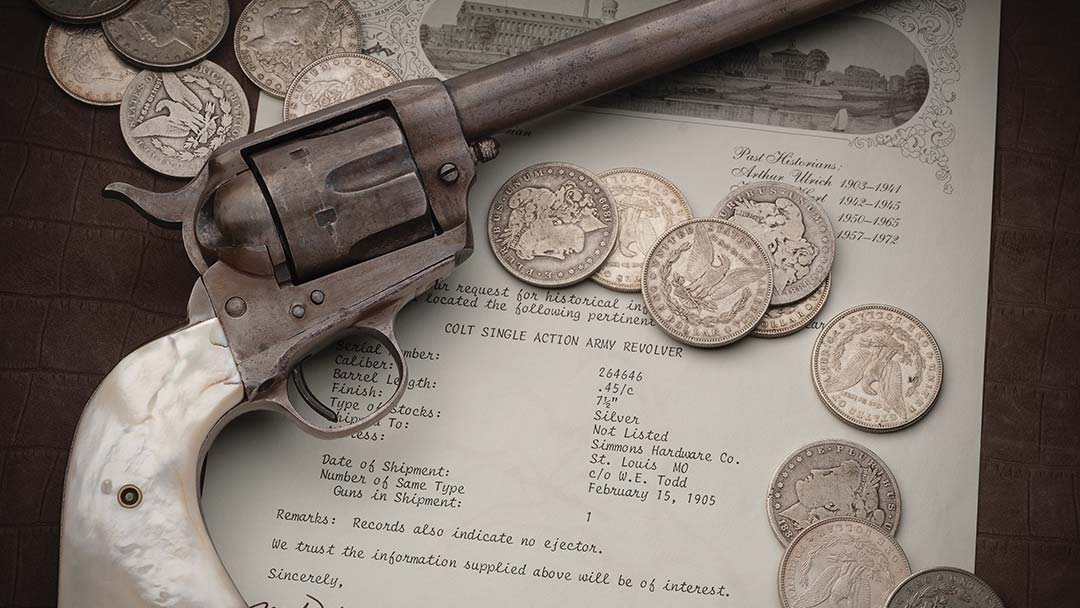
Colt’s Model P Single Action Army was developed by William Mason and Charles Brinckerhoff Richards for the 1872 U.S. Government service revolver trials. The U.S. government initially requested Colt supply revolvers chambered in .44 S&W Russian during early testing.
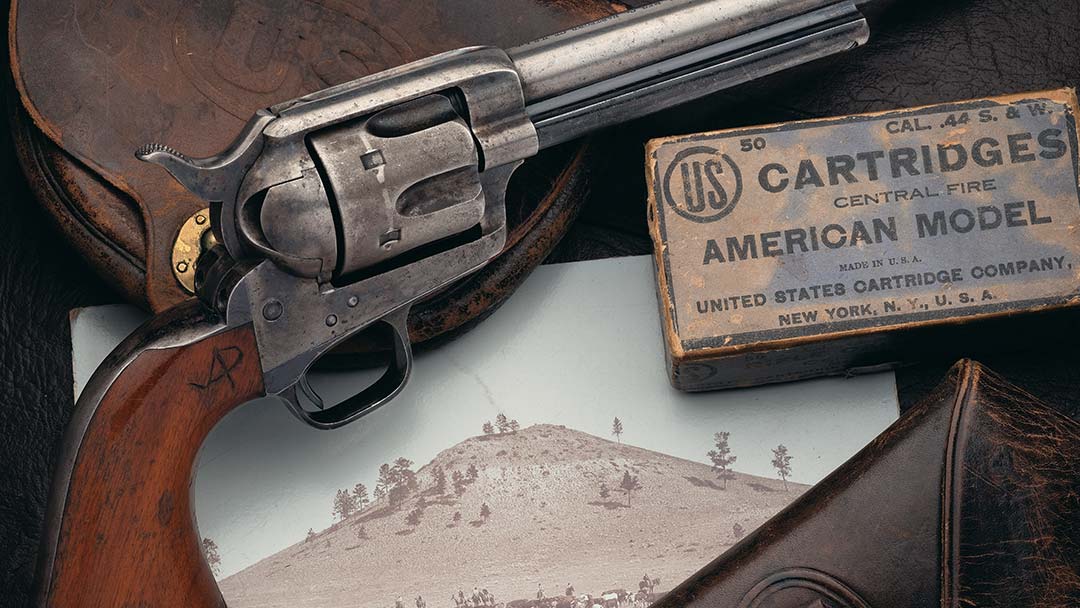
A more powerful option was requested, and Colt developed a .45 caliber centerfire cartridge with a 255 grain bullet powered by a 40 grain load that could deliver a muzzle velocity in excess of 800 FPS. This was 6% higher than .44 S&W Russian and 17% higher than .44 S&W American.
In addition to a stronger chambering, the Colt Single Action Army was seen as more reliable than the Smith & Wesson Model 3. Two years later, Smith & Wesson received a second chance when they were contracted to produce the revolver with improvements by Major George W. Schofield.
The Smith & Wesson Schofield Revolver
George W. Schofield, a veteran of the Civil War, designed an improvement to the Smith & Model 3 revolver intended for military use. Modifications included a square butt frame with no knuckle on the backstrap, the barrel latch mounted on the frame, and a .45 caliber chambering. This combined greater stopping power with an even faster loading advantage that was developed with cavalry operation in mind.
Instead of designing the revolver around .45 Colt, Smith & Wesson developed the shorter .45 Schofield cartridge. The U.S. Army adopted the round in 1875, though this immediately resulted in logistical issues. While the Colt Single Action Army could chamber the .45 Schofield, the Schofield revolver couldn’t load the lengthier .45 Colt rounds, which were eventually dubbed “.45 Long Colt.” This was viewed as a major shortcoming for the Smith & Wesson revolver, and Colt would ultimately retain its position as the Army’s standard issue sidearm for the next 17 years.
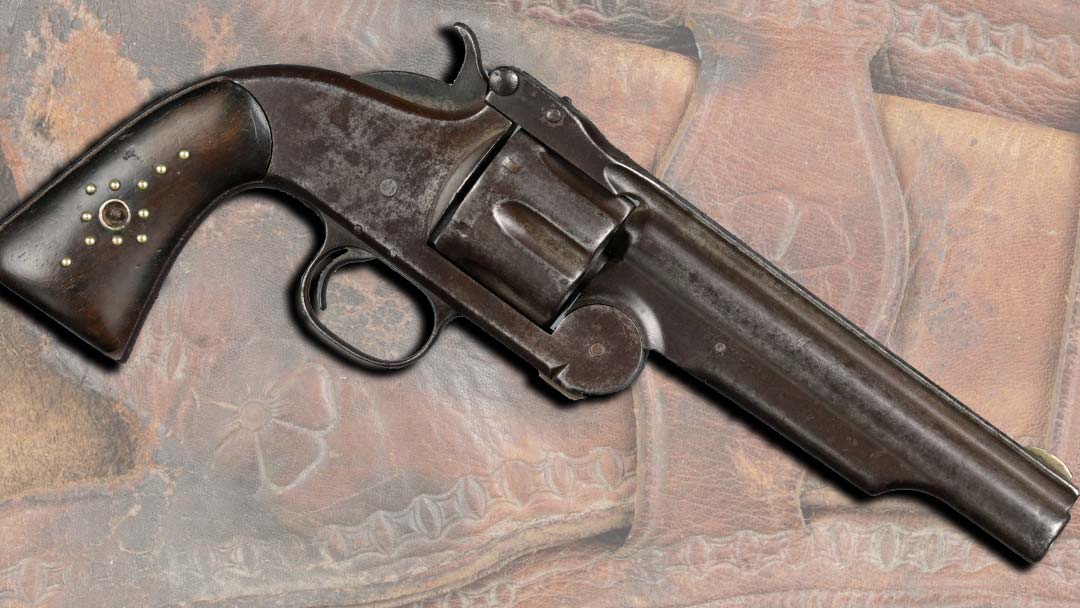
Most of the first 3,000 Schofield revolvers were purchased by the U.S. Government in 1875, and the bulk of the 5,000 Second Model Schofield revolvers manufactured from 1876 to 1877 went to the American cavalry, state militias, law enforcement, and Wells Fargo security agents like the example pictured below. Only about 650 Schofield revolvers made their way to the civilian market.
New Model No. 3
The Smith & Wesson New Model 3, or “Model No 3 New Model,” was introduced in 1878. This was the final iteration of the Model 3 family. With a redesigned extractor, mainspring, and an improved cylinder retention, the model represented the pinnacle of development for Smith & Wesson’s top break single action revolver.
The model was offered in numerous barrel lengths. Although .44 S&W Russian was its primary chambering, the Smith & Wesson New Model 3 was offered in a variety of calibers and special target models. The revolver saw use with a veritable whose who of champions and celebrity shooters like Ira Payne, Oscar Olson, Walter Winans, Ed McGivern, Annie Oakley, and Buffalo Bill.
Produced until 1912, the Smith & Wesson New Model 3 had the longest production life of any single action revolver in company history, carried by soldiers in the Indian Wars and the Spanish-American War. The gun became a worldwide favorite, with around 40 percent of the 35,796 New Model 3 revolvers manufactured going to countries like Russia, Turkey, Japan, Australia, Cuba, England, France, Germany, Argentina, China, and Australia.
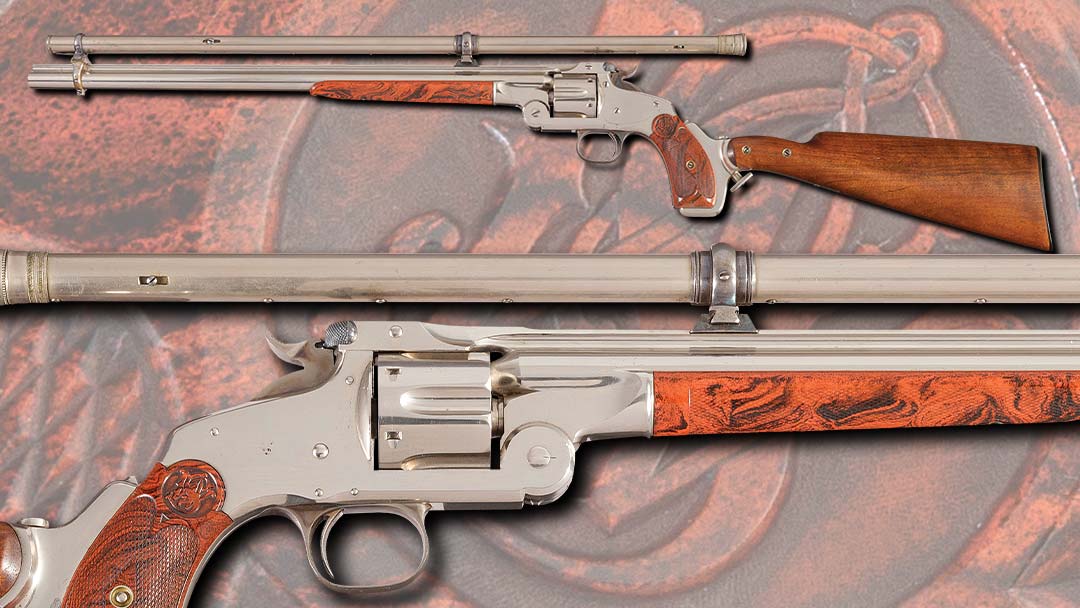
A direct offshoot of the New Model 3 revolver, the 320 Smith & Wesson, or “.320 Revolving Rifle,” hit the market in 1879. Most of the modifications were designed to accommodate the rifle’s 320 S&W cartridge, including adjustments to the hammer and cylinder, and a greatly extended barrel. The 320 S&W was an ambitious failure thanks to blowby issues as well as the numerous affordable lever action rifles available on the market that offered a far higher capacity and accommodated a greater range of cartridge chamberings.
Smith & Wesson Model 3 For Sale
The Smith & Wesson Model 3 elevated the company to a global powerhouse. From the far corners of the frontier to the battlefields of Europe, the Model 3 served as the definitive large-framed, top break revolver of the 1870s and became an icon in target shooting circles. With a wide range of features and variations within the American, Russian, Schofield, and New Model lineages, the S&W Model 3 family offers a fantastic collectible platform, and Rock Island Auction Company features examples available to every level of the pursuit.
For fans of frontier revolvers, subscribe to the Rock Island Auction newsletter for new gun blogs and gun videos looking at the wheel guns that helped win the West. From black powder Colts like the Walker, Dragoon, and Navy, Confederate favorites like the LeMat, Spiller & Burr, and Griswold, and cartridge competitors like the Merwin Hulbert and Remington Model 1875, we cover some of the famous smoke wagons of the 19th century.