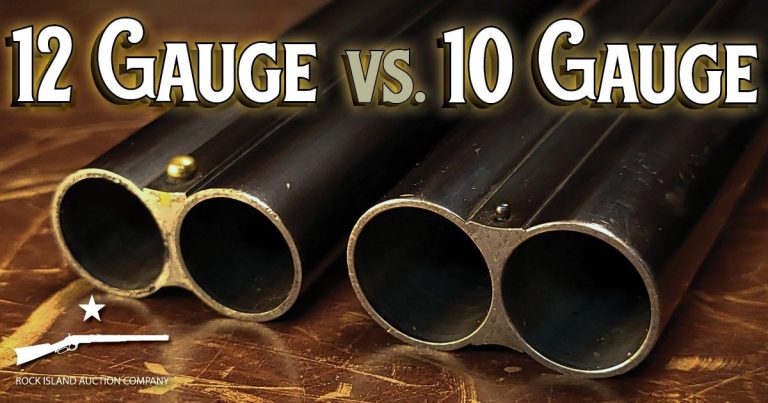
Big bores were a big deal for 19th century hunters. Punt guns — in 4 bore or larger — were used to commercially hunt large numbers of waterfowl. A 10 gauge shotgun was used to hunt deer, waterfowl, upland birds and small game – in other words, just about anything that could go into a cooking pot.
That was before the ascent of smokeless powder and the 12 gauge. Consider whether there is an advantage of the larger 10 gauge over the 12 gauge as we profile examples of sporting arms chambered in these gauges that will be available in Rock Island Auction Company’s Feb. 21-23 Sporting and Collector Auction.
Shotgun Gauges Explained
The measurement system for shotgun gauges dates to at least the 18th century and referred to the number of identically-sized round balls that could be made from a pound of lead. For example, if twelve identical round balls were made from a pound of lead, the diameter of one ball would be used as the measurement for the barrel’s diameter and called 12 gauge. Similarly, ten 10-bore round balls would come from a pound of lead. A 10 gauge shotgun’s bore is .775 inches compared to the .729 inch-wide bore of a 12 gauge. It may seem antithetical, but the smaller the gauge, the wider the bore.
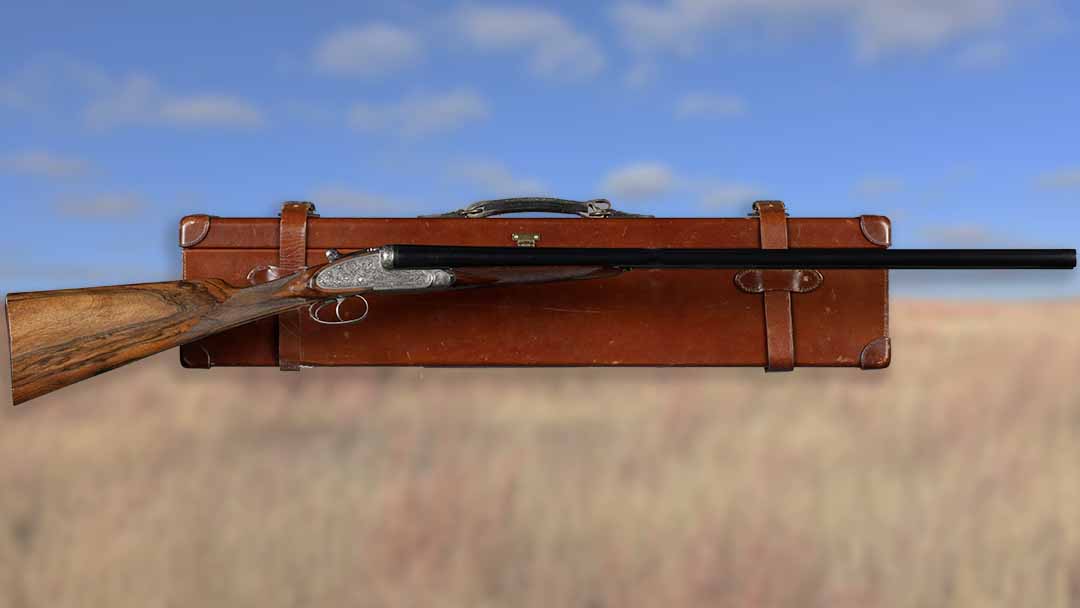
Today, the 10 gauge is the largest bore shotgun publicly available in terms of size and chambering for which shells are still commercially manufactured. In recent years, sportsmen have seen the rise of sub-gauges like 28 gauge and .410 that are even smaller than the 12.
10 Gauge vs 12 Gauge: History
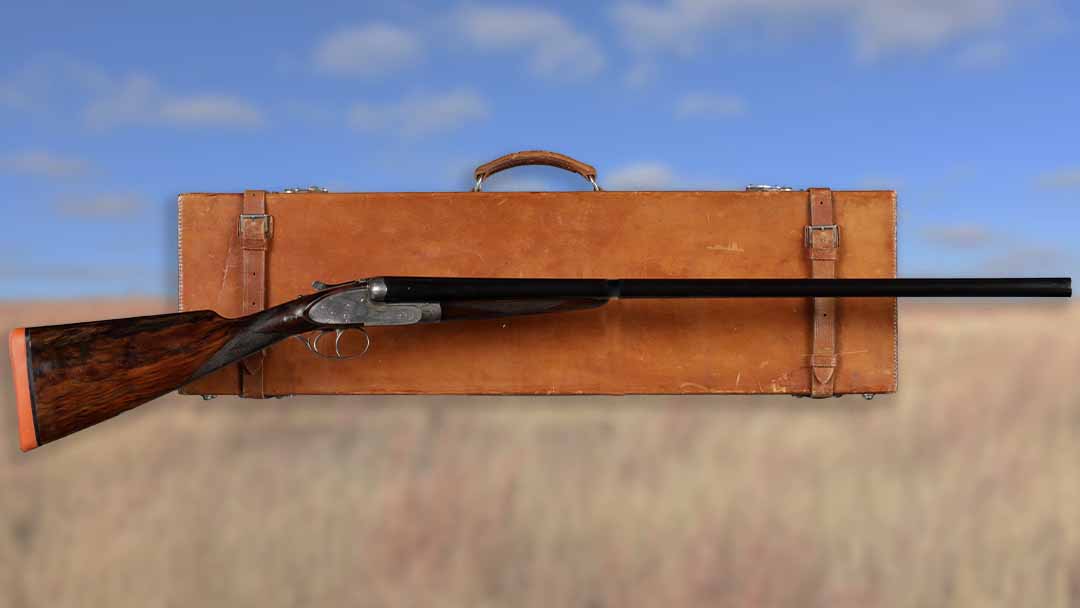
In the 19th century, 10 gauge was a common shotgun chambering. English side-by-sides found their way onto wagon trains headed to the American West. Remington’s Whitmore 1874 and the Colt Model 1878 shotguns were popular. The 10 gauge often rode shotgun on Wells Fargo wagons and stagecoaches as an effective tool to keep desperados at bay. Doc Holliday is reported to have used a 10 gauge side-by-side to take care of Tom McLaury at the OK Corral.
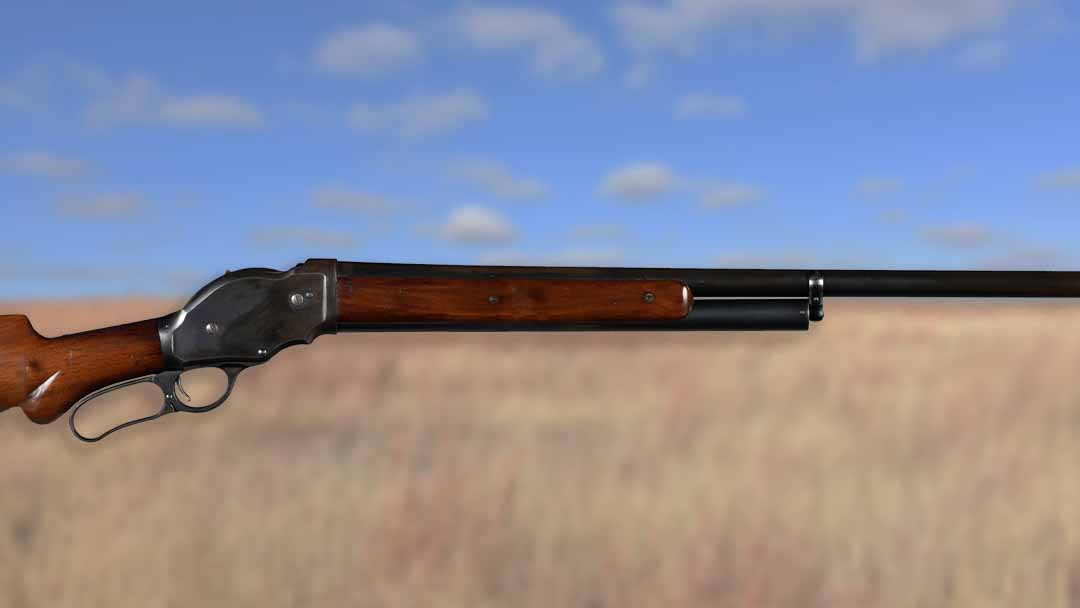
Remington, Colt and Winchester offered 10 gauge shotguns. Colt made 600 of the Model 1855 shotguns in 10 gauge while it manufactured about 20,000 of the Model 1878 from 1878 to 1889 and 7,300 of the Model 1883 from 1883 to 1895. The 1883 was a custom order arm that was quite expensive at the time. Winchester’s lever action Model 1887 was available in 10 gauge while the Model 1901 was a redesign of the earlier scatter gun to handle smokeless powder shells but only made in 10 gauge (to avoid competing with its own Model 1897 in 12 gauge). Many of the 10 gauge shotguns in the Sporting & Collector Auction are from the 19th and early 20th century before the ascension of the 12 gauge.
The 10 gauge was popular with turkey and goose hunters, offering greater range, wider spread and more power. Originally, the first 10 gauge shells were 2 7/8 inches long. In 1932, Winchester lengthened the standard 10 gauge shell to 3 ½ inches. Ithaca partnered with Winchester to make the New Ithaca Double shotgun that could chamber the longer shells. Gun writer Elmer Keith, who never met a big bore he didn’t love, was a proponent, but Ithaca produced less than 900 in 10 years.
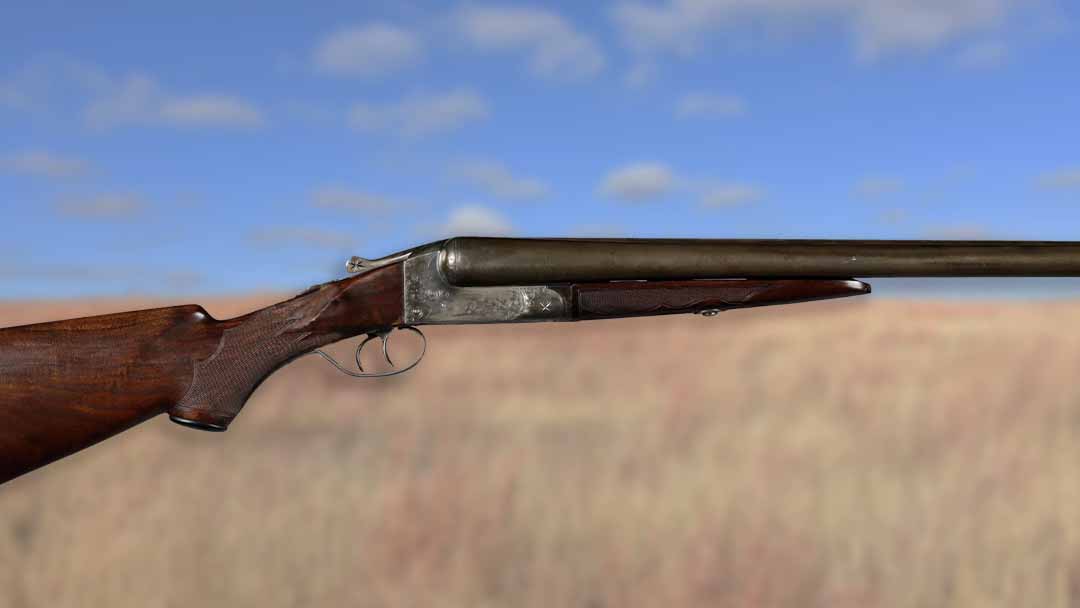
In 1938, the Federal Firearms Act banned the use of the 8 gauge shotgun for waterfowl hunting as well as punt guns that came in even larger gauges – 4 gauge, 2 gauge, even the gargantuan 1 gauge, making the 10 gauge the largest bore shotgun.
Ithaca introduced the Mag 10 semi-automatic shotgun in 1975 that could take the 3 1/2-inch shell. The company sold the patent to Remington in 1989 and the company introduced the SP-10, and Browning brought out the Gold 10 semi-automatic and BPS pump shotguns just as lead shot was being banned for hunting waterfowl. Browning, one of the last holdouts of 10 gauge shotguns announced in 2024 that it would no longer produce them.
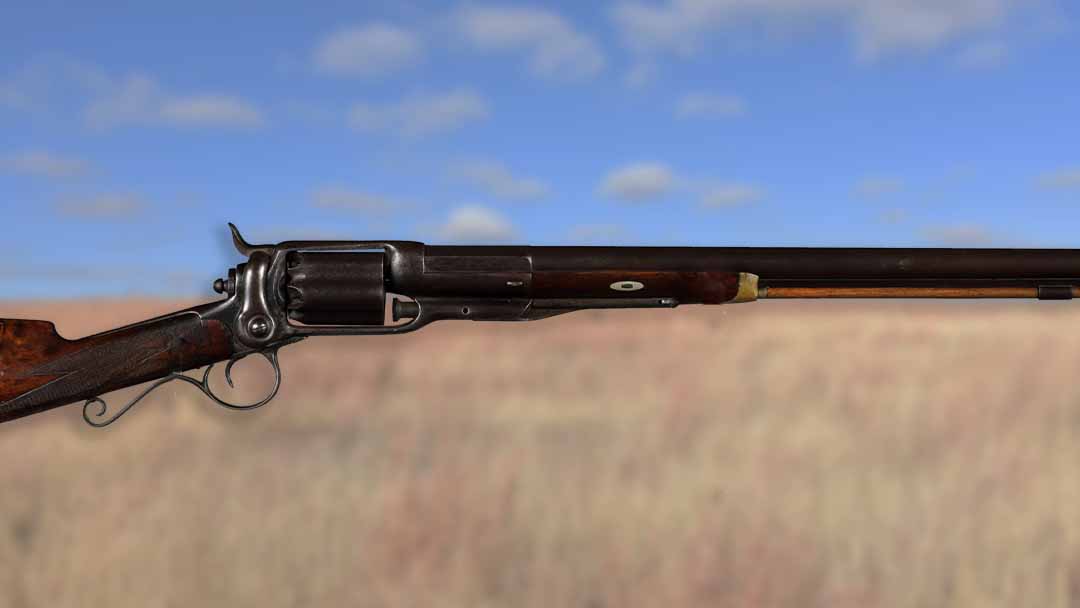
10 Gauge vs 12 Gauge: The Rise of the 12 Gauge
Since the bore sizes between the two gauges weren’t terribly significant, smokeless powder evened the playing field and pushed 12 gauge shotguns closer to their bigger-bore brethren. Plus, through military use, the 12 gauge 2 ¾-inch shells became standard by the mid-1920s.
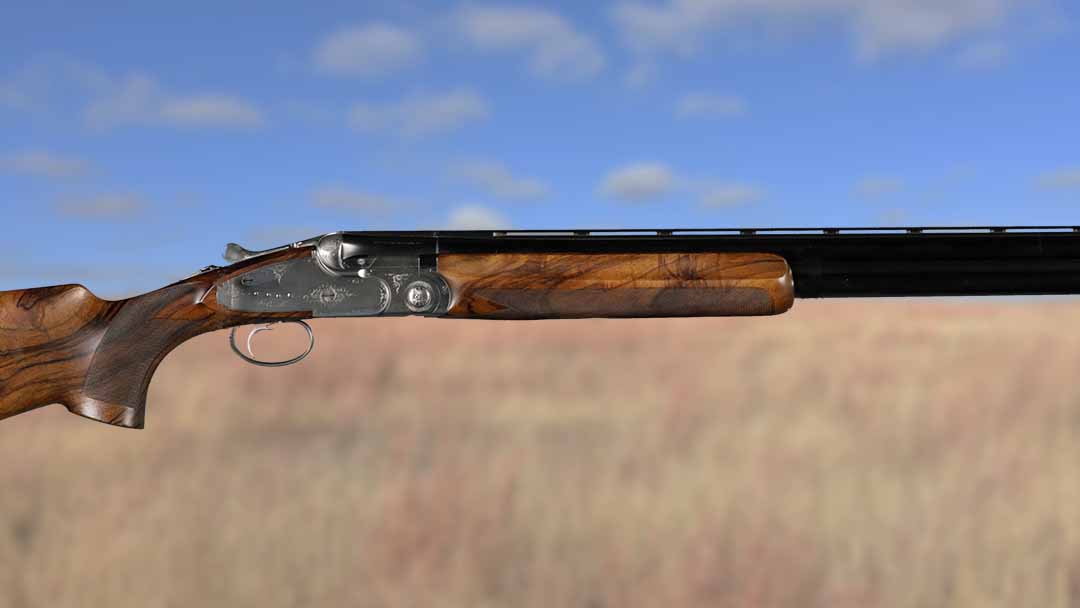
In 1988, ammunition makers started producing 3 1/2-inch shells for 12 gauge, giving them substantial loads on par with the 10 gauge but in a lighter gun. When lead was banned from hunting migratory fowl, some hunters didn’t think the less dense steel was lethal enough, leading them to return to their 10 gauge shotguns since the shells fired heavier payloads. That was a perception and not reality according to Field & Stream editor Bob Brister.
“When compared with standard high-velocity 12-gauge loads containing 1 1/4 ounces of lead shot, steel loads of 1 1/8 ounces have been found to compare closely in killing efficiency, up to approximately 45 yards,” Brister wrote in his 1976 book, “Shotgunning: The Art and the Science,” published years ahead of the lead shot ban.
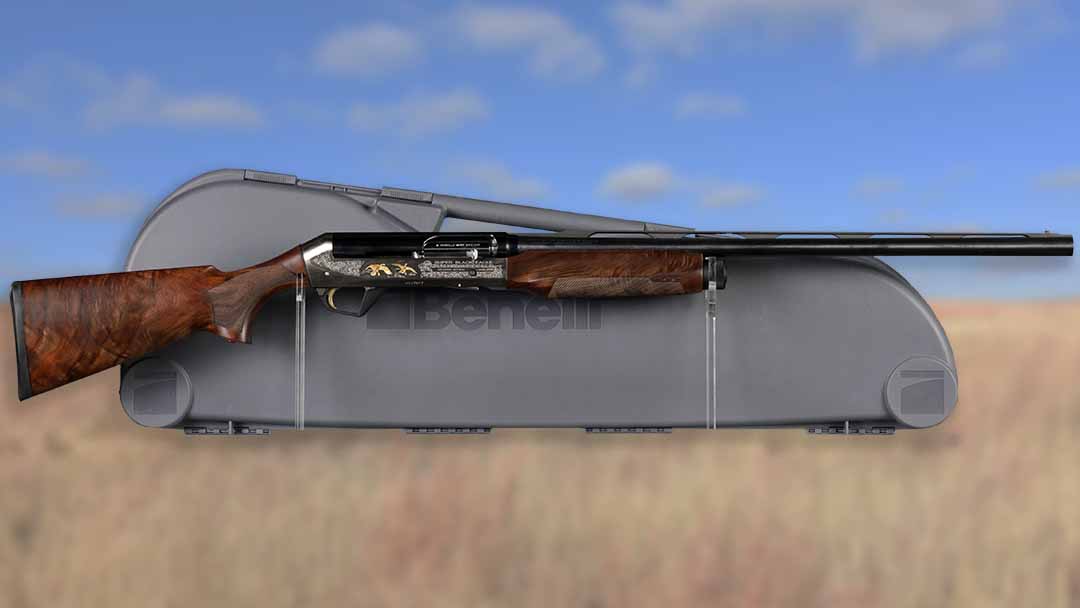
10 Gauge vs 12 Gauge: A Comparison
The amount of lead sent down range by the 10 gauge became less important with the development of smokeless powder. The smokeless powder that came into popular use the late 19th century put the easier-to-handle 12 gauge even with its bigger-bore cousin for range, velocity and lethality.
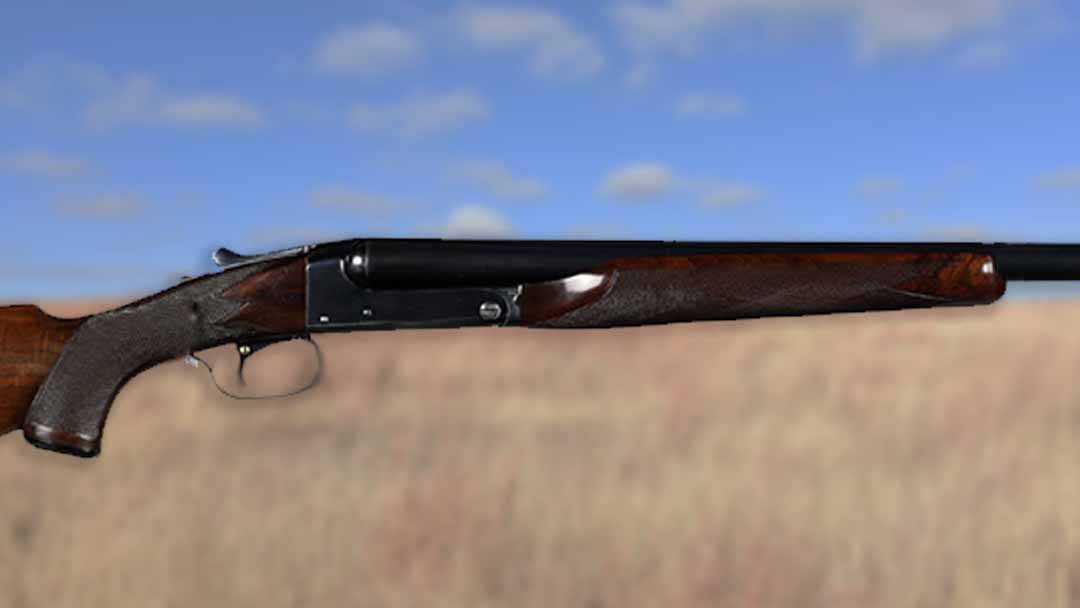
“Outdoor Life” conducted a range test on the two gauges in 2021. The shot pattern percentage at 40 yards with BBs showed the 10 gauge hitting at 79 percent, while the 12 gauge pattern percentage was 59 percent. The 12 gauge performed better than the 10 gauge with a payload of No. 2 pellets.
The magazine reported that Federal Ammunition tested similar shotgun shells and it showed the 10 gauge’s pattern percentage edged the 12 gauge slightly. When the 3 1/2-inch shell came out it could hold nearly the same weight in shot as the 10 gauge.
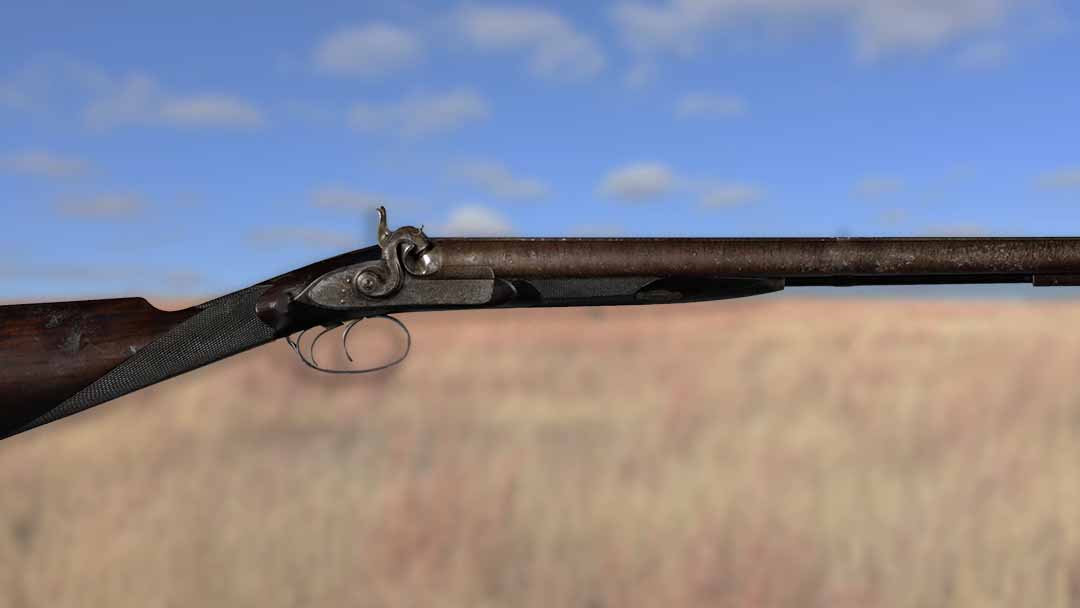
The guns themselves need to be considered alongside stopping power. A 10 gauge shotgun can weigh about 9-12 lbs. while a 12 gauge shotgun weighs about 7 lbs. That can make a difference when treading hill and dale for upland fowl for several miles. One might think the potent 10 gauge gives the hunter a bigger recoil, but the heft of the gun and the action of a semi-automatic can lessen the felt recoil.
Hunters will note that the 12 gauge shotgun offers more versatility, taking up different-sized cartridges and payloads for a wide variety of prey since 12 gauge ammo is easier to procure. Most noticeable between the two gauges is the price per shell. Readily-available 12 gauge shells in a number of lengths and sizes of shot are less expensive than 10 gauge shells.
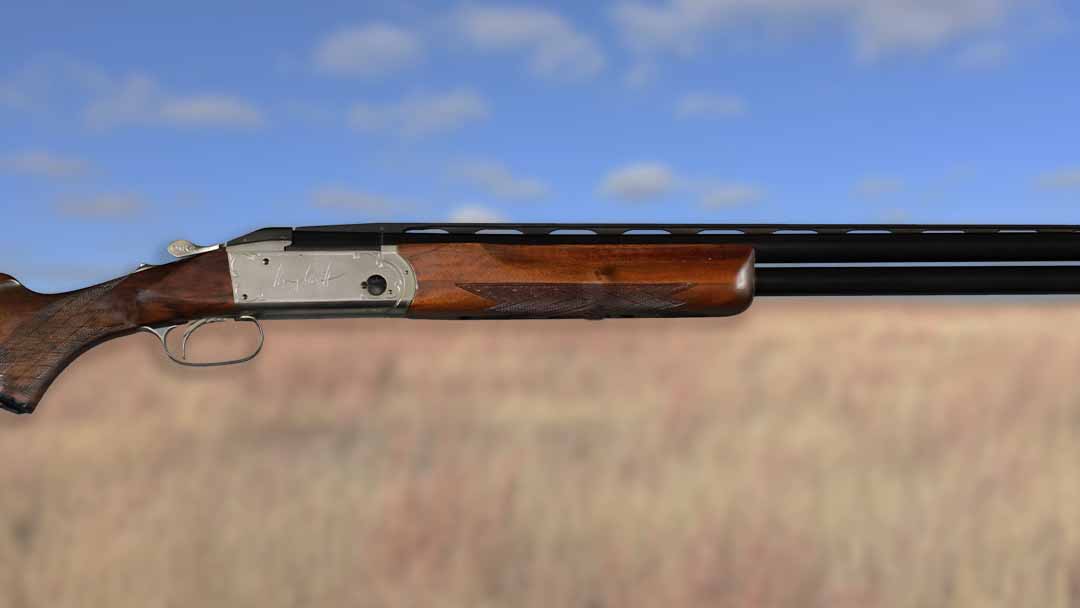
10 Gauge for Sale; 12 Gauge for Sale
Traditional hunters who go after large game birds like turkey or geese still use their 10 gauge shotguns, while hunters looking for a more versatile gun for upland fowl like grouse or quail and larger game like a white tail deer will lean toward the 12 gauge. Whether hunters like the bigger bore, or sport shooters prefer a lighter option, Rock Island Auction Company’s Feb. 21-23 Sporting & Collector Auction has the firearms that call them to the field.
Sources:
The 10 Gauge: Everything Hunters need to Know, by Joe Genzel, Outdoor Life
The case for a 10-Gauge, by Phil Bourjaily, Ducks Unlimited
The 10-Gauge vs. 12-Gauge Shootout: The 10 Is Still a Long-Range Hammer on Turkeys and Geese, by Joe Genzel, Outdoor Life